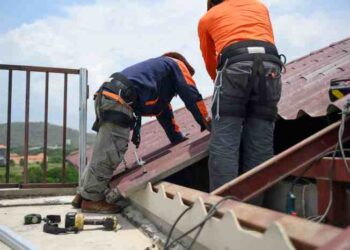

Delve into the world of sustainable commercial roofing with a focus on its environmental benefits, design considerations, maintenance tips, and cost analysis. This comprehensive guide provides valuable insights for businesses looking to embrace eco-friendly roofing solutions.
As we uncover the key aspects of sustainable commercial roofing, readers will gain a deeper understanding of how these choices can positively impact both the environment and their bottom line.
Benefits of Sustainable Commercial Roofing
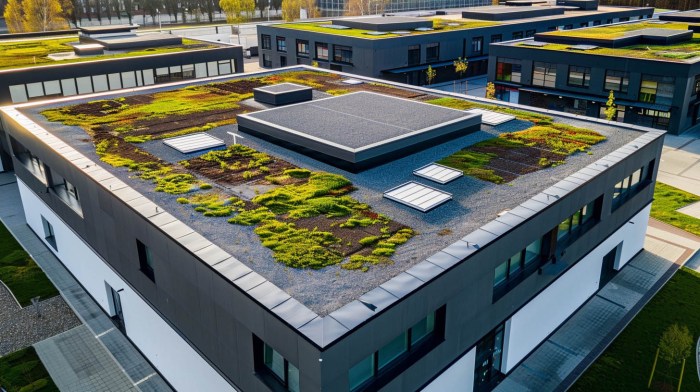
Sustainable commercial roofing offers a range of benefits that extend beyond just protecting the building. One of the key advantages is its positive impact on the environment.
Environmental Advantages
- Reduced carbon footprint: Sustainable roofing materials are often made from recycled or eco-friendly materials, reducing the need for new production and minimizing waste.
- Improved air quality: Certain sustainable roofing options can help filter pollutants from the air, creating a healthier environment both inside and outside the building.
- Water conservation: Some sustainable roofing systems are designed to capture and reuse rainwater, reducing the strain on local water resources.
Energy Cost Reduction
- Improved insulation: Sustainable roofing materials like green roofs or cool roofs provide better insulation, reducing the need for heating and cooling systems and lowering energy costs.
- Solar panel integration: Many sustainable roofing solutions are compatible with solar panels, allowing for the generation of clean energy and further reducing electricity bills.
Common Sustainable Roofing Materials
- Recycled shingles: Made from recycled materials like rubber, plastic, or wood fibers, these shingles are durable and environmentally friendly.
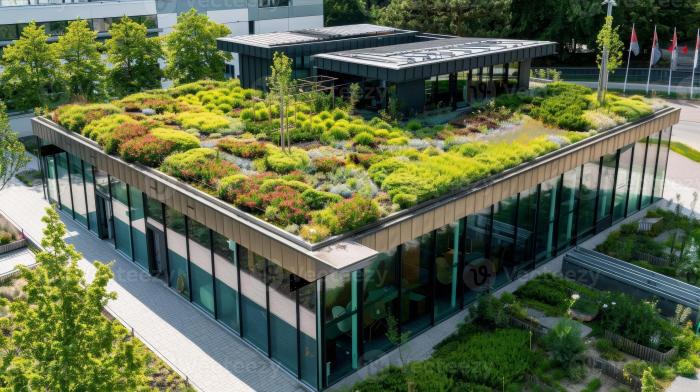
- Green roofs: These living roofs are covered in vegetation, providing natural insulation, reducing stormwater runoff, and extending the roof's lifespan.
- Reflective roofing: Cool roofs made of reflective materials help reduce heat absorption, lowering indoor temperatures and decreasing the need for air conditioning.
Sustainable Roofing Design Considerations
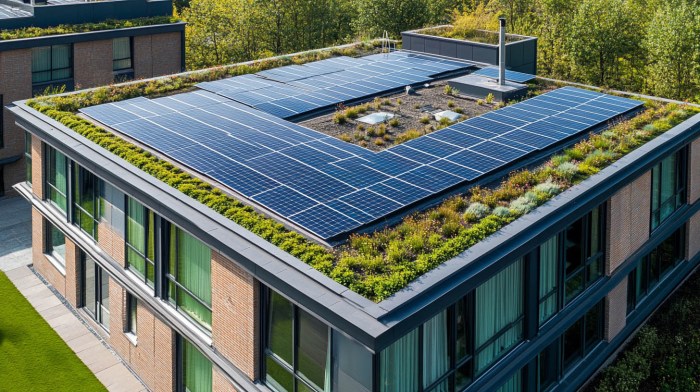
When planning for sustainable commercial roofing, key design factors must be carefully considered to ensure long-term environmental and cost benefits. Factors such as insulation, material selection, and roof slope play a crucial role in determining the sustainability of a commercial roof.
Additionally, incorporating green spaces or solar panels into the design can further enhance the environmental performance of the roof.
Insulation
Insulation is a critical element in sustainable roofing design as it helps regulate temperature, reduce energy consumption, and minimize heat loss or gain. Proper insulation can significantly improve the energy efficiency of a building, leading to lower heating and cooling costs.
Material Selection
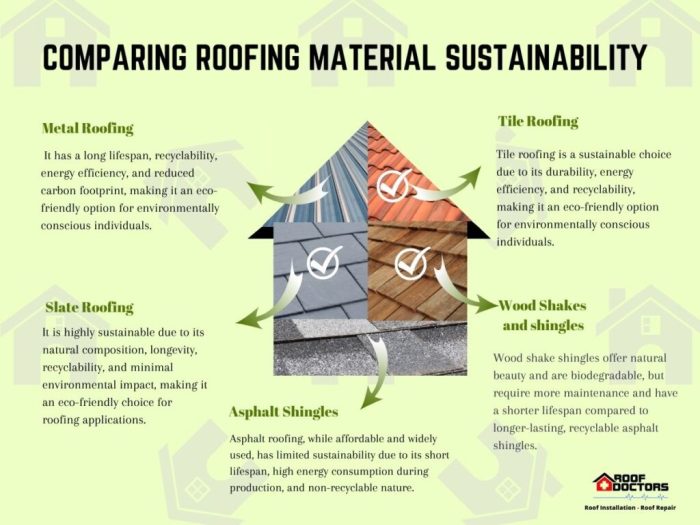
The choice of roofing materials is another key factor in sustainable design. Opting for eco-friendly materials with high durability and recyclability can minimize environmental impact and reduce the need for frequent roof replacements. Materials such as metal, cool roofs, or green roofs can contribute to energy savings and improve overall sustainability.
Roof Slope
The slope of a commercial roof plays a crucial role in water drainage, maintenance requirements, and solar panel installation. A well-designed roof slope can help prevent water ponding, reduce the risk of leaks or damage, and facilitate the installation of solar panels for harnessing renewable energy.
Green Spaces and Solar Panels
Incorporating green spaces like rooftop gardens or solar panels into sustainable roofing designs can provide numerous environmental benefits. Green roofs can improve air quality, reduce urban heat island effect, and enhance aesthetics, while solar panels can generate clean energy, reduce electricity bills, and lower carbon footprint.
By integrating these elements into the design, commercial roofs can contribute to a more sustainable built environment.
Maintenance and Longevity of Sustainable Roofing
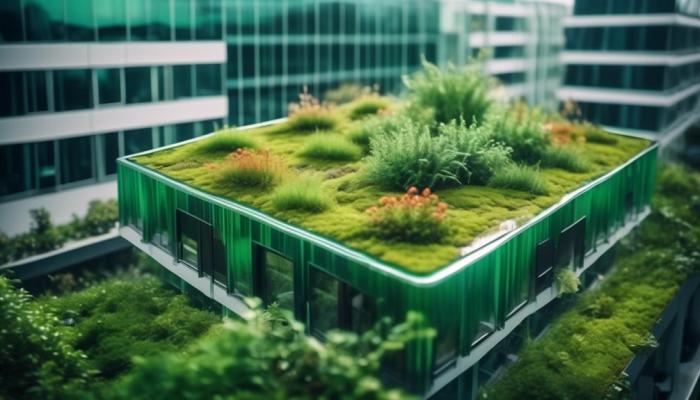
Maintaining sustainable commercial roofs is essential to ensure their long-term performance and maximize their lifespan. By following a few key tips and implementing regular inspection and maintenance routines, you can significantly extend the longevity of your sustainable roof.
Tips for Maintaining Sustainable Commercial Roofs
- Regular Inspections: Schedule routine inspections to identify any potential issues early on and address them promptly.
- Clean Gutters and Drains: Keeping gutters and drains clear of debris helps prevent water buildup and potential damage.
- Address Repairs Quickly: If any damage is detected during inspections, make sure to repair it promptly to prevent further deterioration.
- Trim Surrounding Trees: Overhanging branches can cause damage to the roof, so regular trimming is necessary to prevent this.
- Professional Maintenance: Consider hiring professional roofers for regular maintenance to ensure thorough care of your sustainable roof.
Comparison of Lifespan between Sustainable and Traditional Roofing Materials
Sustainable roofing materials, such as metal roofs, can have a longer lifespan compared to traditional materials like asphalt shingles. While traditional roofs may last around 20-30 years, sustainable roofing materials can often exceed 50 years with proper maintenance.
Importance of Regular Inspections and Maintenance
- Prevent Small Issues from Becoming Big Problems: Regular inspections can catch small issues early on before they escalate into costly repairs.
- Extend Lifespan: By implementing regular maintenance routines, you can prolong the lifespan of your sustainable commercial roof and maximize its durability.
- Maintain Energy Efficiency: Proper maintenance ensures that your sustainable roof continues to provide energy-saving benefits over the long term.
- Compliance with Warranty Requirements: Many sustainable roofing materials come with warranties that require regular maintenance to remain valid, so staying on top of inspections is essential.
Cost Considerations and Return on Investment
When it comes to sustainable commercial roofing, cost considerations and return on investment play a crucial role in the decision-making process for businesses. Let's delve into the financial aspects of opting for sustainable roofing solutions.
Initial Installation Costs
Installing sustainable commercial roofing systems may have a higher upfront cost compared to traditional roofing systems. This is often due to the use of eco-friendly materials and advanced technology. However, it's essential to look beyond the initial investment and consider the long-term benefits.
Long-Term Savings and ROI
- One of the key advantages of sustainable roofing is the potential for long-term savings on energy costs. These roofs are designed to improve insulation and reduce heat absorption, leading to lower heating and cooling expenses for the building.
- Moreover, sustainable roofing solutions are known for their durability and longevity. With minimal maintenance requirements and a longer lifespan, businesses can save on repair and replacement costs over time, enhancing the return on investment.
- Additionally, some sustainable roofing options may qualify for rebates or incentives from local governments or utility companies. These financial benefits can further offset the initial installation costs and increase the overall ROI for businesses.
Closing Summary
In conclusion, sustainable commercial roofing offers a blend of environmental consciousness and financial prudence. By implementing the right strategies and materials, businesses can not only reduce their ecological footprint but also enhance the longevity and efficiency of their roofs.
Commonly Asked Questions
What are the environmental advantages of sustainable roofing solutions?
Sustainable roofing helps reduce waste, conserve energy, and minimize environmental impact by using recyclable materials and promoting energy efficiency.
How do factors like insulation and roof slope impact the sustainability of a commercial roof?
Proper insulation and an optimal roof slope can enhance energy efficiency, reduce heating and cooling costs, and prolong the lifespan of the roof.
What financial incentives are available for businesses investing in sustainable roofing?
Businesses may qualify for tax benefits, rebates, or grants aimed at promoting sustainable practices, which can help offset the initial costs of installing eco-friendly roofing solutions.