
With roof maintenance plans USA at the forefront, this guide dives into the importance of regular maintenance, different types of plans, and cost considerations. Let's explore how you can ensure your roof stays in top condition.
Exploring the various aspects of roof maintenance plans in the USA can help you make informed decisions to protect your investment.
Types of Roof Maintenance Plans in the USA
Roof maintenance plans in the USA come in various frequencies, such as annual, bi-annual, and quarterly options. Each type offers different benefits and is suitable for different roof types based on their unique needs.
Annual Maintenance Plans
Annual maintenance plans involve a thorough inspection and maintenance of the roof once a year. This type of plan is suitable for roofs that are in good condition and do not require frequent attention. Benefits include cost-effectiveness and prevention of major issues through regular check-ups and repairs.
Bi-Annual Maintenance Plans
Bi-annual maintenance plans consist of two inspections and maintenance sessions per year, typically in the spring and fall. This plan is ideal for roofs that experience seasonal changes and may require more frequent upkeep. The benefits include early detection of potential problems and the ability to address issues before they escalate.
Quarterly Maintenance Plans
Quarterly maintenance plans involve four inspections and maintenance sessions throughout the year, usually scheduled every three months. This type of plan is recommended for roofs that are prone to damage due to weather conditions or age. The benefits include continuous monitoring and prompt repairs to ensure the longevity of the roof.Each type of maintenance plan offers its own advantages and is most suitable for different roof types based on their specific requirements.
It is essential to choose a plan that aligns with the condition and needs of your roof to ensure its optimal performance and longevity.
Importance of Regular Roof Maintenance
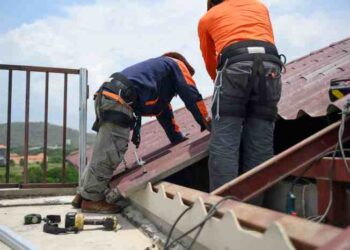
Regular roof maintenance plays a crucial role in extending the lifespan of your roof and ensuring the overall integrity of your property. Neglecting maintenance can lead to costly repairs and potential damage that could have been easily prevented. Here are some key points to consider:
Prevention of Leaks and Water Damage
- Regular inspections and maintenance can help identify and address small issues before they escalate into major leaks or water damage.
- Leaving minor roof issues unattended can result in water seeping into your home, causing structural damage and mold growth.
- By implementing a maintenance plan, you can ensure that your roof remains watertight and protects your property from water-related issues.
Prolonging Roof Lifespan
- Regular maintenance, such as cleaning debris and repairing damaged shingles, can help extend the lifespan of your roof.
- Ignoring maintenance can shorten the lifespan of your roof significantly, leading to the need for premature replacement.
- Investing in routine maintenance can save you money in the long run by avoiding costly roof replacements.
Enhanced Energy Efficiency
- A well-maintained roof can contribute to improved energy efficiency in your home by preventing air leaks and improving insulation.
- Proper maintenance can help seal gaps and cracks in the roof, reducing energy loss and lowering utility bills.
- By including regular roof inspections in your maintenance plan, you can ensure that your roof is functioning optimally and helping to regulate indoor temperatures effectively.
Components of a Comprehensive Roof Maintenance Plan
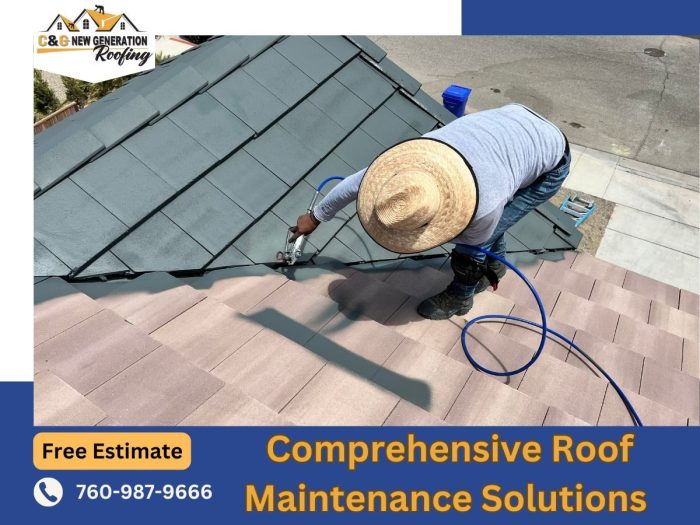
When creating a comprehensive roof maintenance plan, it is essential to consider various key elements to ensure the longevity and functionality of your roof. This plan should cover all areas of your roof that require regular inspection and maintenance.
Inspection Schedule for Each Component
It is important to establish a consistent inspection schedule for each component of your roof to identify any potential issues early on and address them promptly. Here is a breakdown of how often you should inspect different parts of your roof:
- Shingles:Inspect your shingles at least twice a year, ideally in the spring and fall, to check for any signs of damage, wear, or missing pieces.
- Gutters:Clean and inspect your gutters at least twice a year, in the spring and fall, to ensure they are free of debris and functioning properly.
- Flashing:Inspect the flashing around vents, chimneys, and skylights at least once a year to check for any signs of damage or deterioration.
Prioritizing Maintenance Tasks
When prioritizing maintenance tasks for your roof, it is crucial to address urgent issues first to prevent further damage. Here are some tips on how to prioritize maintenance tasks based on urgency:
- Address any leaks or water damage immediately to prevent structural issues.
- Repair or replace missing or damaged shingles promptly to prevent water infiltration.
- Clean and repair gutters regularly to prevent water backup and damage to the roof and foundation.
- Inspect and repair flashing to prevent water leaks and damage to the interior of your home.
Cost Considerations for Roof Maintenance Plans
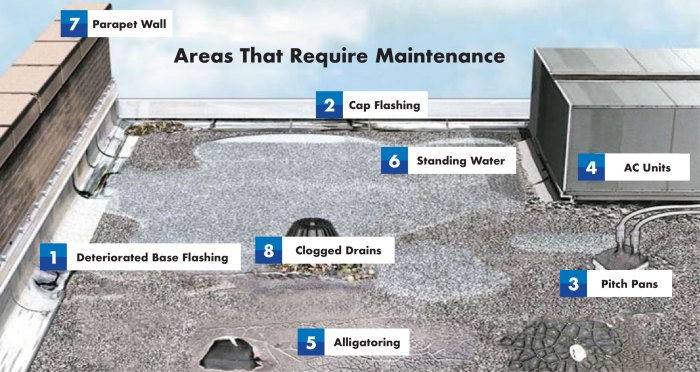
When considering roof maintenance plans, it's crucial to take into account the costs involved. Here, we will compare the costs of different maintenance plans, discuss how the size and type of the roof can impact maintenance costs, and provide tips on budgeting for roof maintenance throughout the year.
Comparison of Maintenance Plan Costs
Depending on the frequency of maintenance visits, the costs of roof maintenance plans can vary. Annual maintenance plans may have a higher upfront cost compared to quarterly or semi-annual plans. However, more frequent visits could help identify and address issues sooner, potentially reducing long-term repair costs.
Impact of Roof Size and Type on Maintenance Costs
The size and type of the roof can significantly impact maintenance costs. Larger roofs will generally require more materials and labor, leading to higher maintenance expenses. Additionally, the complexity of the roof's design and the type of roofing material used can also affect costs.
Tips for Budgeting Roof Maintenance
- Set aside a portion of your annual budget specifically for roof maintenance to ensure you are financially prepared for any necessary repairs.
- Get multiple quotes from reputable roofing companies to compare prices and services offered.
- Regularly inspect your roof for any signs of damage or wear and tear to address issues promptly before they escalate.
- Consider investing in preventive measures such as roof coatings or sealants to extend the lifespan of your roof and reduce long-term maintenance costs.
Final Thoughts
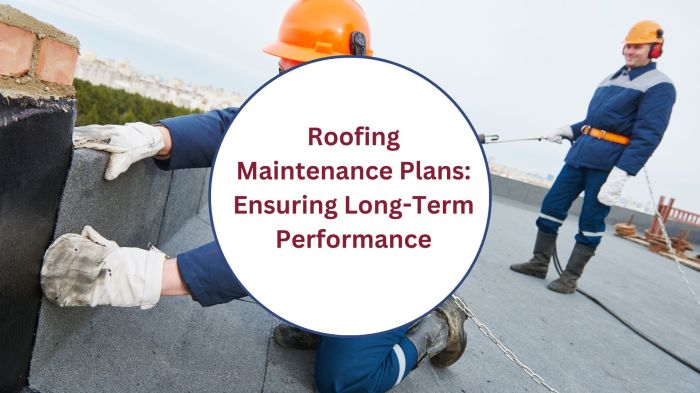
In conclusion, investing in a roof maintenance plan tailored to your needs can save you time and money in the long run. By staying proactive, you can prevent major issues and extend the lifespan of your roof. Take the necessary steps today to ensure a sturdy and reliable roof for years to come.
Frequently Asked Questions
What are the benefits of quarterly maintenance plans?
Quarterly maintenance plans allow for more frequent inspections, catching potential issues early before they escalate and become costly problems.
How does the size of the roof impact maintenance costs?
Larger roofs typically require more materials and labor, leading to higher maintenance costs compared to smaller roofs.
What key elements should be included in a maintenance plan?
A comprehensive maintenance plan should cover regular inspections, cleaning of gutters, checking for leaks, and repairing damaged shingles.