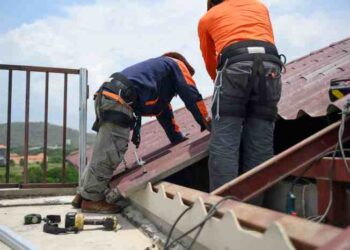

Roof ventilation is a critical aspect of maintaining a healthy home environment. In this article, we delve into the importance of proper roof ventilation and how repair services can make a significant difference. From energy efficiency to the longevity of your roof, discover why addressing ventilation issues is essential for every homeowner.
Importance of Roof Ventilation Repair Services
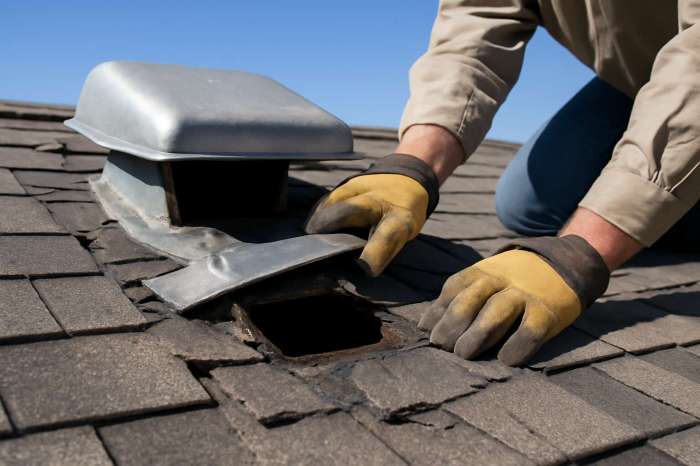
Proper roof ventilation is essential for maintaining a healthy home environment. Without adequate ventilation, moisture can build up in the attic, leading to mold growth, rotting wood, and damage to insulation. This can compromise the structural integrity of the roof and pose health risks to the occupants.
Risks of Poor Roof Ventilation
- Potential for mold and mildew growth: Excess moisture trapped in the attic can create a breeding ground for mold and mildew, which can trigger allergies and respiratory issues.
- Decreased energy efficiency: Poor ventilation can cause heat to build up in the attic, leading to higher cooling costs in the summer and potentially damaging the shingles.
- Increased risk of ice dams: In colder climates, inadequate ventilation can lead to the formation of ice dams on the roof, which can cause water damage to the interior of the home.
Improving Energy Efficiency
Proper roof ventilation can help improve energy efficiency by allowing hot air to escape from the attic, reducing the strain on HVAC systems. This can lead to lower energy bills and a more comfortable living environment. Roof ventilation repair services can ensure that your home is well-ventilated and energy-efficient, protecting both your property and your wallet.
Signs of Roof Ventilation Issues
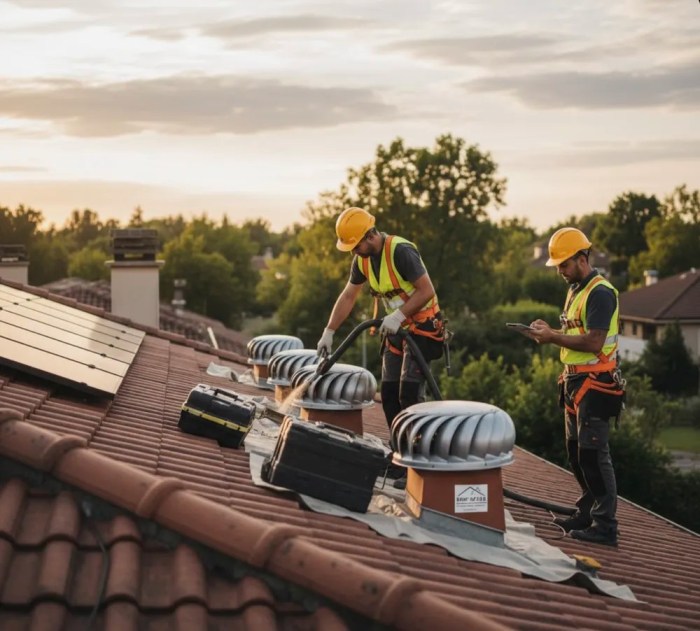
When it comes to roof ventilation problems, there are several common signs that homeowners should be aware of in order to prevent further damage to their roof. Identifying these signs early on can help determine if ventilation repairs are needed and avoid costly consequences in the long run.
Poor Air Quality Inside the Home
One of the main indicators of roof ventilation issues is poor air quality inside the home. If there is a constant musty smell or excessive humidity, it could be a sign that the ventilation system is not functioning properly. This can lead to mold and mildew growth, which can pose health risks to the residents.
Excessive Heat in the Attic
Another sign to look out for is excessive heat in the attic. If the attic feels extremely hot during the summer months, it could indicate poor ventilation. This can cause the shingles to deteriorate faster and increase energy costs as the home's cooling system works harder to combat the heat.
Ice Dams in Winter
During the winter, ice dams forming on the roof can be a clear indication of ventilation issues. Ice dams occur when warm air from the attic melts the snow on the roof, which then refreezes at the eaves. This can cause water damage to the roof and lead to leaks if left unresolved.
Roof Shingle Damage
Lastly, damaged or curling roof shingles can also be a sign of poor ventilation. When the attic is not properly ventilated, the excess heat and moisture can cause the shingles to deteriorate prematurely. This compromises the roof's integrity and lifespan, leading to costly repairs or even a full roof replacement.Overall, ignoring roof ventilation issues can significantly impact the lifespan and durability of your roof.
It is important to address these problems promptly to prevent further damage and ensure the longevity of your home's roof. Regular inspections and maintenance can help identify ventilation issues early on and save you from expensive repairs in the future.
Types of Roof Ventilation Systems
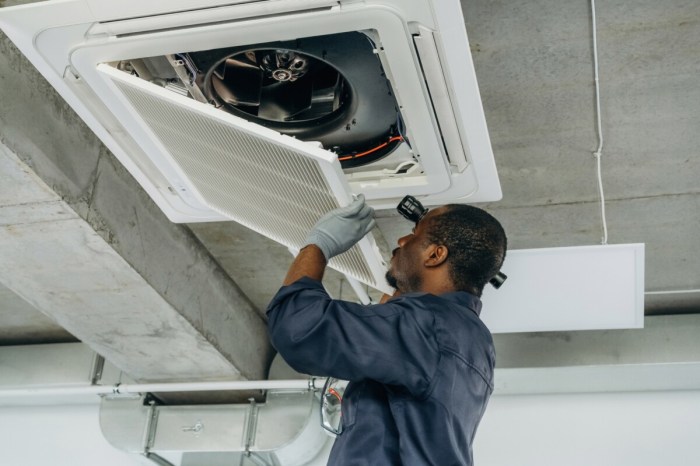
When it comes to roof ventilation systems, there are two main types: passive ventilation and active ventilation. Each type has its own set of pros and cons, which can influence the choice of system for a particular building.
Passive Ventilation Systems
Passive ventilation systems rely on natural forces such as wind and convection to create airflow in the attic space. Some common examples of passive ventilation systems include ridge vents, soffit vents, and gable vents. These systems do not require any mechanical components to operate, making them energy-efficient and cost-effective.
However, passive ventilation systems may not be as effective in areas with low wind conditions or limited natural airflow.
Active Ventilation Systems
Active ventilation systems, on the other hand, use mechanical components such as fans to enhance airflow in the attic. Examples of active ventilation systems include powered attic fans and turbine vents. These systems can be more effective in areas with little natural airflow or when additional ventilation is needed to reduce heat and moisture buildup in the attic.
However, active ventilation systems may consume more energy and require regular maintenance to ensure proper operation.Overall, the choice between passive and active ventilation systems depends on factors such as climate, building design, and budget. It is essential to consider the specific needs of the building when selecting a roof ventilation system to ensure optimal airflow and energy efficiency.
Steps to Repair Roof Ventilation
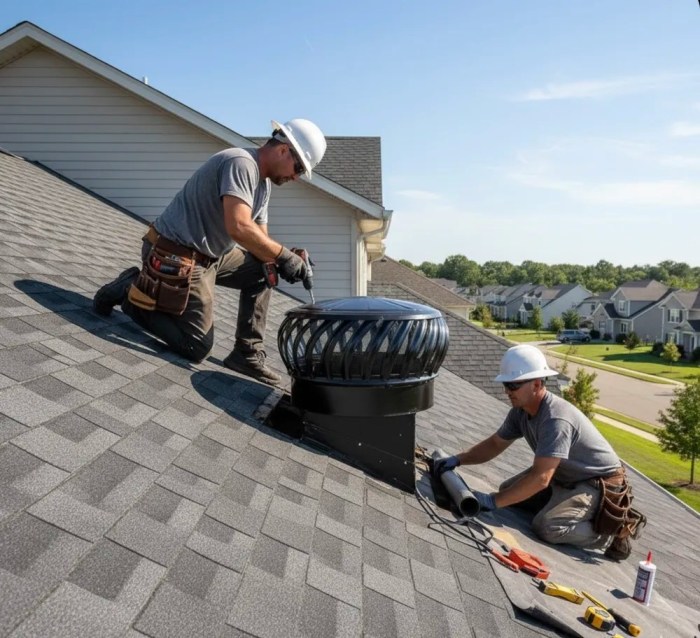
When it comes to repairing roof ventilation, professionals follow a series of steps to ensure that the system is functioning properly. This process typically involves inspecting the ventilation, diagnosing any issues, and implementing the necessary repairs.
Inspection of Roof Ventilation
Before any repairs can be made, it is essential to thoroughly inspect the roof ventilation system. This involves checking for any blockages, damage, or signs of wear and tear that may be affecting the airflow.
Diagnosing Ventilation Issues
Professionals use various techniques to diagnose ventilation issues, such as conducting airflow tests, checking for moisture buildup, and inspecting the condition of the vents. By pinpointing the root cause of the problem, they can determine the most effective repair solutions.
Common Repair Techniques
- Clearing blockages: Removing debris or obstructions that are obstructing airflow.
- Replacing damaged vents: Installing new vents to improve ventilation efficiency.
- Sealing leaks: Repairing any gaps or cracks in the ventilation system to prevent air leakage.
- Adjusting fan settings: Modifying the fan speed or settings to optimize airflow.
DIY vs. Professional Roof Ventilation Repair

When it comes to roof ventilation repair, homeowners often face the decision of whether to tackle the project themselves or hire a professional. Let's explore the pros and cons of both options to help you make an informed choice.
DIY Ventilation Repair
- DIY repairs can be cost-effective, especially for minor ventilation issues that you feel confident in addressing.
- It can give you a sense of accomplishment and independence by taking care of your home maintenance.
- Simple tasks like cleaning vents or replacing damaged components can be manageable for DIY enthusiasts.
Professional Ventilation Repair
- Professional roof ventilation repair services ensure expertise and experience in handling complex ventilation systems.
- Experts can identify underlying issues that may not be apparent to untrained eyes, preventing future problems.
- Professionals have access to specialized tools and equipment to perform repairs efficiently and effectively.
Risks of DIY Ventilation Repair
- Incorrect repairs can worsen the ventilation issues, leading to more extensive damage and costly repairs in the long run.
- DIY attempts may not comply with building codes or safety standards, putting your home and family at risk.
- Lack of proper knowledge and skills can result in accidents or injuries during the repair process.
Summary
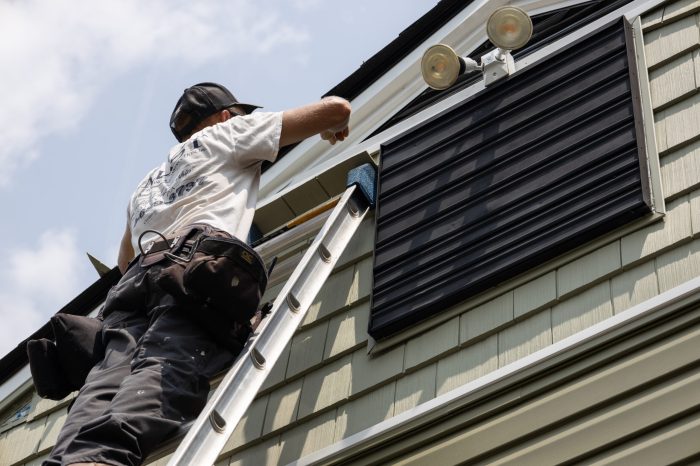
In conclusion, roof ventilation repair services play a vital role in ensuring the well-being of your home and its energy efficiency. By addressing ventilation issues promptly, you can extend the lifespan of your roof and create a more comfortable living environment.
Don't overlook the significance of proper ventilation - it's a small investment that yields significant benefits in the long run.
Question & Answer Hub
How do I know if my roof ventilation needs repair?
If you notice signs such as moisture buildup in the attic, mold growth, or uneven temperatures in different rooms, it's likely time to consider roof ventilation repair.
Can I attempt to repair roof ventilation issues on my own?
While minor fixes like cleaning vents may be DIY-friendly, it's best to consult professionals for thorough inspections and complex repairs to ensure optimal results.
What are the risks of ignoring roof ventilation problems?
Ignoring ventilation issues can lead to increased energy costs, reduced indoor air quality, and even structural damage to your home over time.