
Diving into the world of roofing field service software, we uncover how this specialized technology can revolutionize the way roofing companies operate. From streamlining processes to enhancing customer satisfaction, the possibilities are endless.
In the following paragraphs, we will delve deeper into the importance, features, implementation, and impact of roofing field service software on the industry.
Importance of Roofing Field Service Software
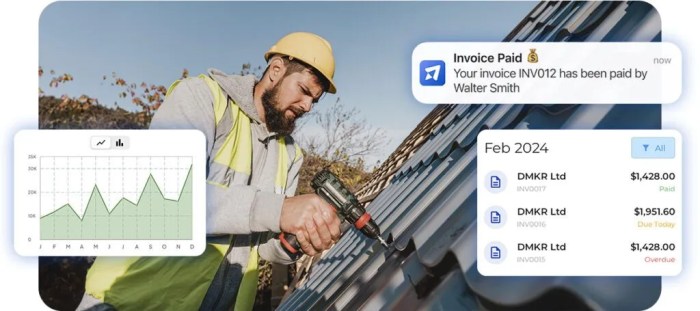
Roofing field service software plays a crucial role in the efficiency and success of roofing companies. By utilizing software specifically designed for the roofing industry, companies can streamline their operations, improve customer service, and increase overall productivity.
Streamlined Operations
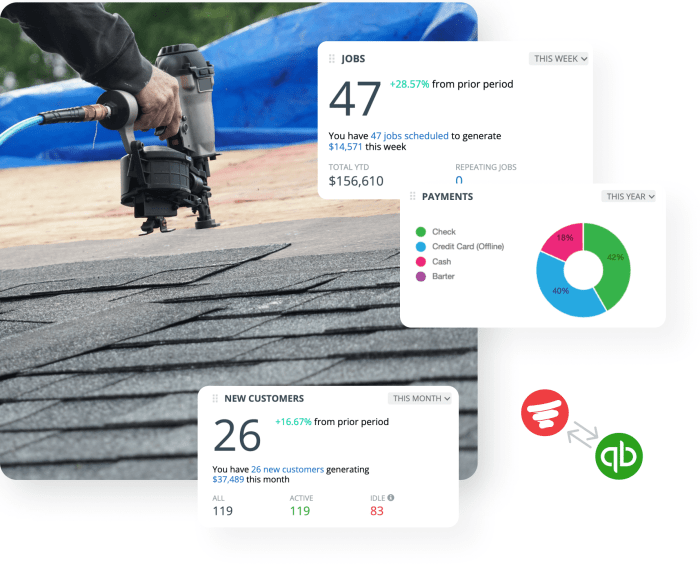
Roofing field service software allows companies to schedule appointments, track projects, manage inventory, and communicate with clients all in one place. This integration of various functions into a single software system eliminates the need for multiple tools and manual processes, saving time and reducing the chance of errors.
Improved Customer Service
With roofing field service software, companies can provide real-time updates to customers regarding their projects, send automated reminders for appointments, and easily access client information for personalized service. This leads to higher customer satisfaction and loyalty, ultimately driving repeat business and referrals.
Increased Productivity
Integrating technology into roofing services through software results in increased productivity for companies. By automating repetitive tasks, optimizing scheduling, and centralizing data, employees can focus on more value-added activities, leading to higher efficiency and profitability.
Features of Roofing Field Service Software
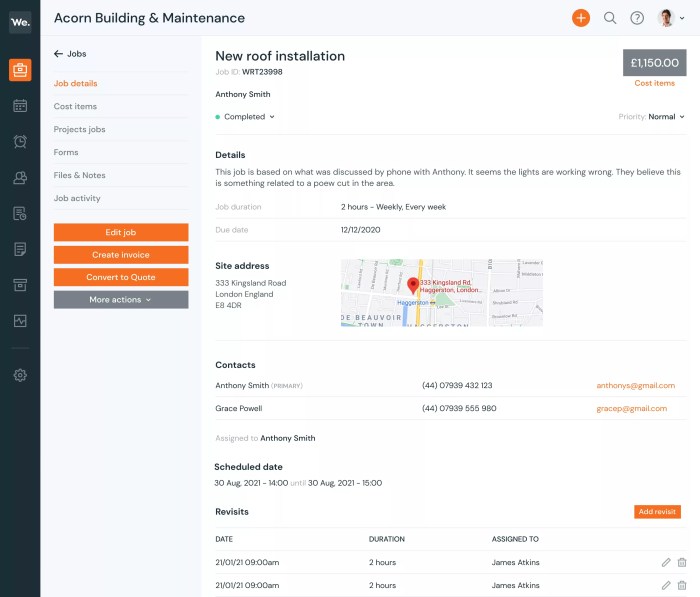
Roofing field service software plays a crucial role in streamlining operations and improving efficiency for roofing projects. Here are some essential features that a good roofing field service software should have:
1. Scheduling and Dispatch
- Efficiently schedule appointments and dispatch teams to job sites.
- Real-time updates on job statuses and technician locations for better coordination.
2. Job Management
- Create detailed work orders and track progress on each job.
- Manage inventory and equipment needed for each project.
3. Mobile Access
- Allow technicians to access job details, customer information, and updates on the go.
- Enable customers to request service and track progress through a mobile app.
4. Invoicing and Payment Processing
- Generate invoices quickly and accurately based on job completion.
- Accept online payments and track payment statuses for better financial management.
5. Reporting and Analytics
- Track key performance indicators and generate reports for insights on business performance.
- Analyze data to make informed decisions and optimize operations.
Implementation of Roofing Field Service Software

Implementing roofing field service software in a roofing business can streamline operations and improve efficiency. Here is a step-by-step guide on how to successfully implement this software, along with best practices for training employees and overcoming potential challenges.
Step-by-Step Guide for Implementation
- Assess Your Needs: Identify the specific requirements of your roofing business and determine how the software can address them.
- Choose the Right Software: Research and select a roofing field service software that aligns with your business goals and budget.
- Customization and Configuration: Work with the software provider to customize and configure the software to meet your business needs.
- Data Migration: Transfer existing data and information to the new software system accurately to ensure a smooth transition.
- Training and Onboarding: Provide comprehensive training to employees on how to use the software effectively and integrate it into their daily workflows.
- Testing and Feedback: Conduct thorough testing of the software and gather feedback from employees to make any necessary adjustments.
- Go-Live and Support: Launch the software across your business and provide ongoing support to address any issues or questions that may arise.
Best Practices for Training Employees
- Offer Hands-On Training: Provide practical, hands-on training sessions to help employees understand how to use the software in real-world scenarios.
- Assign Champions: Designate employees as software champions who can help train and support their colleagues during the implementation process.
- Provide Ongoing Support: Offer continuous support and resources to employees as they adapt to using the new software in their daily tasks.
- Encourage Feedback: Create an open feedback loop where employees can share their thoughts, suggestions, and concerns about the software implementation.
Potential Challenges and How to Overcome Them
- Resistance to Change: Address resistance by highlighting the benefits of the software, providing training, and involving employees in the decision-making process.
- Data Accuracy Issues: Conduct thorough data validation and ensure proper data migration processes to prevent accuracy issues.
- Technical Difficulties: Have a dedicated IT support team in place to quickly address any technical issues that may arise during implementation.
- Integration Challenges: Work closely with the software provider to ensure seamless integration with existing systems and processes.
Impact on Customer Experience

Roofing field service software plays a crucial role in enhancing customer satisfaction by providing efficient and transparent communication throughout the project.
Real-time Updates and Communication
One of the key benefits of roofing field service software is the ability to provide real-time updates and communication with clients. Through the software, customers can receive instant notifications about the progress of their roofing project, any changes in the schedule, or any unexpected issues that may arise.
This level of transparency helps build trust and confidence with customers, as they are kept informed every step of the way.
Accurate Estimates and Timelines
The software also enables roofing companies to provide accurate estimates and timelines to customers. By inputting all relevant project details into the software, such as materials needed, labor costs, and project duration, companies can generate precise estimates for their clients.
This not only helps in setting clear expectations with customers but also ensures that there are no surprises or delays in the project timeline.
Epilogue
In conclusion, roofing field service software is a game-changer for the roofing industry, offering efficiency, accuracy, and improved customer experiences. Embracing this technology can take roofing companies to new heights of success.
Questions and Answers
How can roofing field service software benefit my business?
Roofing field service software can streamline operations, improve efficiency, and enhance customer satisfaction through better communication and project management.
What are some essential features to look for in roofing field service software?
Key features include project management tools, scheduling capabilities, real-time communication, and accurate estimating modules.
How can I implement roofing field service software in my business?
Start by researching different software options, training employees effectively, and addressing any challenges that may arise during implementation.