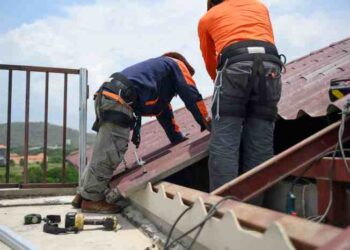

Roofing installation near me sets the stage for this enthralling narrative, offering readers a glimpse into a story that is rich in detail and brimming with originality from the outset.
As we delve into the intricacies of roofing installation near you, we uncover the key elements that make this process both essential and rewarding.
Understanding Roofing Installation
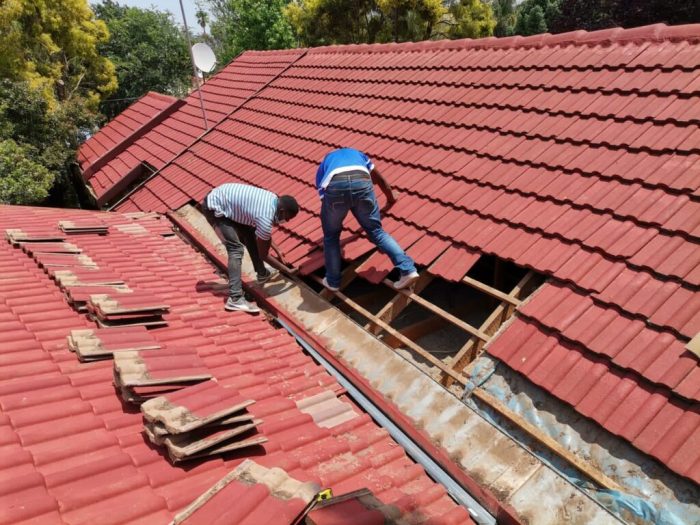
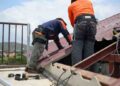
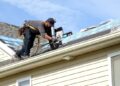
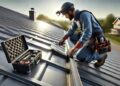
Roofing installation is the process of putting a new roof on a building or replacing an existing one. It involves various steps to ensure a durable and weather-resistant roof that protects the structure underneath.
Materials Needed for Roofing Installation
- Roofing Shingles: These are the outer layer of the roof that provides protection from the elements. They come in various materials such as asphalt, metal, wood, or slate.
- Underlayment: This layer is placed underneath the shingles to provide an extra barrier against moisture.
- Roofing Nails: These are used to secure the shingles in place.
- Flashing: This material is used to seal joints and prevent water from seeping into the roof.
- Roof Ventilation: Proper ventilation is crucial to ensure air circulation and prevent moisture buildup in the attic.
Importance of Professional Installation
While DIY approaches may seem cost-effective, professional installation offers several benefits. Roofing professionals have the necessary skills, experience, and tools to ensure a proper installation that meets building codes and manufacturer requirements. They can also identify potential issues and address them before they become major problems, ultimately saving time and money in the long run.
Finding Local Roofing Installers
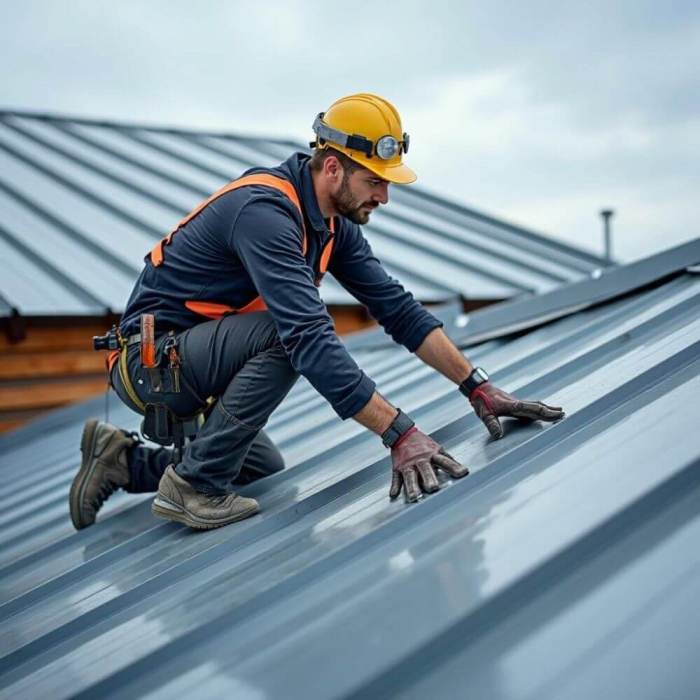
When it comes to finding local roofing installers, there are several benefits to hiring companies in your area. Not only can they provide faster response times in case of emergencies, but they are also more familiar with the local building codes and regulations.
Here are some factors to consider when choosing a roofing installer near you:
Benefits of Hiring Local Roofing Installation Companies
- Quick Response: Local installers can offer faster response times for repairs or emergencies, ensuring your roof is taken care of promptly.
- Knowledge of Local Regulations: Local companies are well-versed in the specific building codes and regulations in your area, ensuring your roof meets all requirements.
- Community Reputation: Local installers have a reputation to uphold in the community, leading to a higher level of accountability and quality workmanship.
Factors to Consider When Choosing a Roofing Installer Near You
- Licensing and Insurance: Make sure the roofing company is licensed and insured to protect yourself from liability in case of accidents or damages.
- Experience and Expertise: Look for installers with a proven track record of quality work and experience in the type of roofing you need.
- Written Estimates: Get detailed written estimates from multiple installers to compare pricing and services offered.
Importance of Checking Reviews and References Before Hiring a Local Roofer
Before making a decision, it's crucial to check reviews and references of local roofers to ensure you are hiring a reputable and reliable company. Online reviews and testimonials from previous customers can give you insight into the quality of work and customer service provided by the roofing company.
Additionally, asking for references and contacting past clients can help you gauge the satisfaction level of customers and the overall reputation of the installer.
Cost Considerations for Roofing Installation
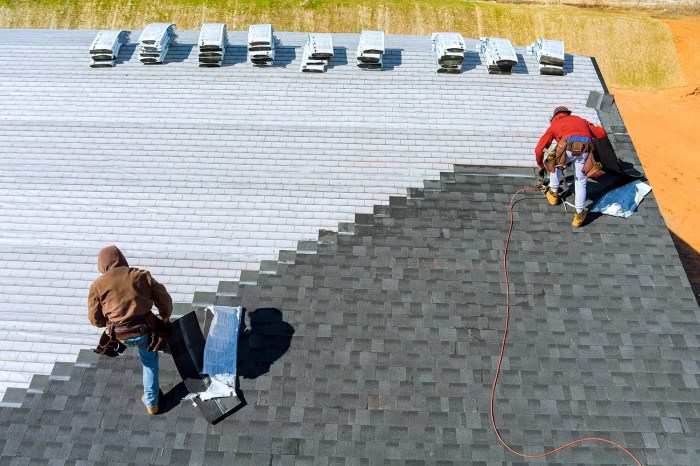
When planning for a roofing installation project, it is essential to consider the costs involved. Understanding the breakdown of costs, comparing pricing estimates from different local roofing installers, and budgeting effectively can help you manage your expenses and make informed decisions.
Typical Costs Associated with Roofing Installation
- Materials: The cost of roofing materials can vary depending on the type of roofing system you choose, such as asphalt shingles, metal roofing, or clay tiles.
- Labor: Labor costs include the fees charged by roofing installers for their work, which can vary based on the complexity of the project and the experience of the professionals.
- Permits and Inspections: Depending on your location, you may need to obtain permits for the installation, which can incur additional costs. Inspections may also be required to ensure the roofing meets building codes.
- Waste Removal: Disposal of old roofing materials and waste generated during the installation process can add to the overall costs.
Comparing Pricing Estimates from Different Local Roofing Installers
- Get Multiple Quotes: Reach out to several local roofing installers to request pricing estimates for your project. This allows you to compare costs and services offered by different professionals.
- Consider Quality and Reputation: While cost is important, it is also essential to consider the quality of materials and workmanship offered by each installer. Look for reviews and recommendations to gauge the reputation of the roofing companies.
- Negotiate and Ask Questions: Don't hesitate to negotiate the pricing with the installers and ask questions about the breakdown of costs to ensure transparency in the estimates provided.
Tips on How to Budget Effectively for a Roofing Installation Project
- Set a Realistic Budget: Determine how much you can afford to spend on the roofing installation project and allocate funds accordingly to avoid overspending.
- Plan for Contingencies: Factor in unexpected expenses or potential changes in the project scope when creating your budget to account for any unforeseen costs that may arise.
- Explore Financing Options: If the upfront costs of a roofing installation project are high, consider financing options such as loans or payment plans to spread out the expenses over time.
Types of Roofing Materials
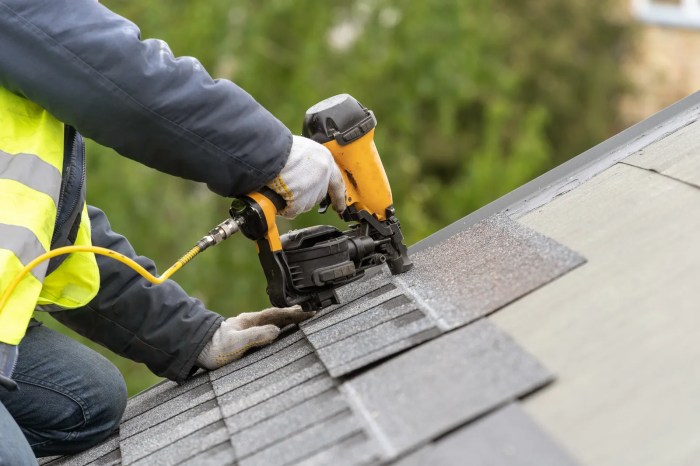
When it comes to roofing materials, there are several options available for homeowners to choose from. Each type of roofing material comes with its own set of pros and cons, as well as specific durability and maintenance requirements.
Asphalt Shingles
Asphalt shingles are one of the most common roofing materials used in residential buildings. They are affordable, easy to install, and come in a variety of colors. However, asphalt shingles may not be as durable as other materials and may require more frequent maintenance.
Metal Roofing
Metal roofing is known for its longevity and durability, making it a popular choice for homeowners looking for a long-term roofing solution. While metal roofing is more expensive upfront, it requires minimal maintenance and can last for decades.
Tile Roofing
Tile roofing is often chosen for its aesthetic appeal and durability. However, tile roofing can be heavy and may require additional structural support. Additionally, individual tiles may crack or break over time, leading to potential maintenance issues.
Wood Shake Roofing
Wood shake roofing provides a natural and rustic look to a home. While wood shake roofs are environmentally friendly and offer good insulation, they may require regular maintenance to prevent issues like rot and mold.
Closing Summary
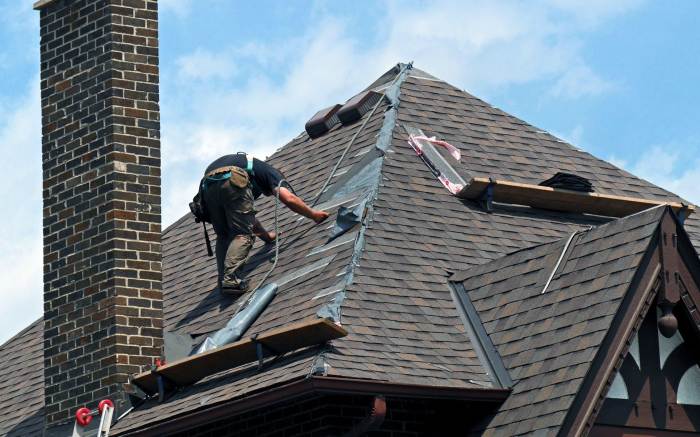
In conclusion, roofing installation near me is not just a practical necessity but a transformative journey that shapes the very essence of your living space. With the right knowledge and guidance, you can embark on this endeavor with confidence and enthusiasm.
FAQ Guide
What are the benefits of professional roofing installation over DIY approaches?
Professional installation ensures quality workmanship, adherence to safety standards, and warranty coverage, whereas DIY methods may lack expertise and pose safety risks.
How can I effectively budget for a roofing installation project?
To budget effectively, consider factors like materials cost, labor expenses, permits, and unexpected repairs. Obtain multiple quotes and allocate funds accordingly.
What are the maintenance requirements for different roofing materials?
Each material has specific maintenance needs. For example, asphalt shingles may require periodic inspections and repairs, while metal roofs need rust prevention measures.