
As industrial roofing waterproofing solutions take the spotlight, readers are invited into a realm of expertise. This passage promises a rich and informative exploration, ensuring a captivating read that is both enlightening and unique.
The second paragraph provides detailed and informative content about the topic
Industrial Roofing Waterproofing Solutions
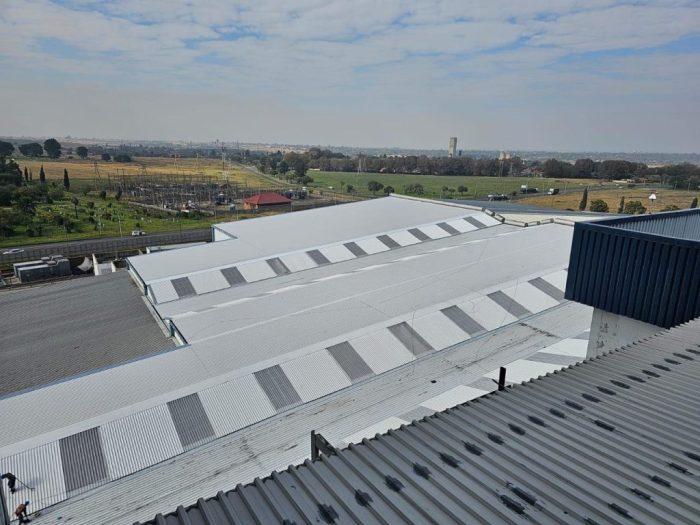
Industrial roofing waterproofing is crucial for protecting the structural integrity of buildings and preventing water damage. Without proper waterproofing, industrial roofs are vulnerable to leaks, mold growth, and structural deterioration.
Common Challenges in Industrial Roofing Waterproofing
- Ponding water leading to deterioration of roofing materials
- Temperature fluctuations causing expansion and contraction of the roof
- Exposure to harsh weather conditions such as UV rays and heavy rainfall
Benefits of Specialized Waterproofing Solutions
- Increased durability and longevity of the roof
- Prevention of water infiltration and leaks
- Protection against mold and mildew growth
Types of Industrial Roofing Waterproofing Materials
- EPDM (ethylene propylene diene monomer) rubber membrane
- PVC (polyvinyl chloride) membrane
- TPO (thermoplastic polyolefin) membrane
- Bitumen waterproofing
- Silicone coatings
Types of Industrial Roofing Waterproofing Solutions
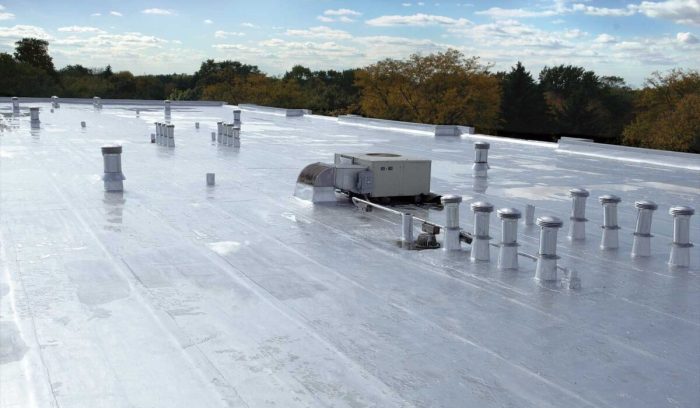
Industrial buildings require robust waterproofing solutions to protect the structure from water damage. There are several types of industrial roofing waterproofing solutions available, each with its own set of characteristics and advantages.
Liquid Applied Waterproofing Systems
Liquid applied waterproofing systems are seamless membranes that are applied in liquid form and then cure to form a durable, waterproof barrier. These systems are highly flexible and can easily conform to complex roof shapes and details. They are also resistant to UV exposure and can provide long-lasting protection for industrial roofs.
Spray Applied Coatings vs. Sheet Membranes
Spray applied coatings offer a quick and easy application process, making them ideal for large industrial roofs. They can be applied directly to the existing roof substrate, providing a seamless and durable waterproofing layer. On the other hand, sheet membranes are pre-fabricated membranes that are rolled out and adhered to the roof surface.
While sheet membranes require more labor-intensive installation, they offer excellent puncture resistance and can withstand foot traffic better than spray applied coatings.
Foam Roofing Systems
Foam roofing systems involve spraying a layer of polyurethane foam onto the roof surface, which expands to fill cracks and crevices, creating a seamless and insulating barrier. This system is lightweight, energy-efficient, and can be applied over existing roofs without the need for tear-off.
Foam roofing systems are also highly resistant to water penetration and can provide excellent insulation for industrial buildings.
Built-Up Roofing (BUR) Systems
Built-Up Roofing (BUR) systems consist of multiple layers of bitumen and reinforcing fabrics that are built up to create a waterproof membrane. These systems are highly durable and can withstand heavy foot traffic and extreme weather conditions. BUR systems are known for their longevity and can provide excellent waterproofing protection for industrial roofs.
Factors to Consider in Choosing Waterproofing Solutions
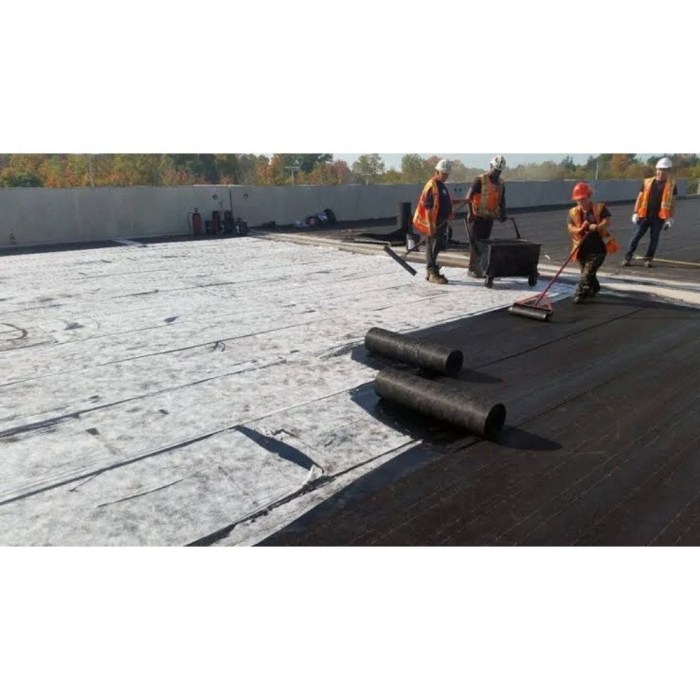
When selecting waterproofing solutions for industrial roofs, various factors must be taken into account to ensure the longevity and effectiveness of the waterproofing system. Factors such as climate, roof design, budget, and maintenance requirements play a crucial role in determining the most suitable waterproofing solution for a specific industrial roof.
Climate and Environmental Conditions
- Consider the climate of the region where the industrial building is located. Different climates may require specific waterproofing materials to withstand extreme heat, cold, or humidity.
- Take into account environmental factors such as exposure to UV radiation, high winds, heavy rainfall, or snow accumulation, as these can impact the durability of the waterproofing system.
Roof Design and Material
- Examine the type of industrial roof and its slope, as different roofing materials may have specific waterproofing requirements.
- Choose waterproofing solutions that are compatible with the existing roof structure and materials to ensure proper adhesion and protection.
Budget Constraints
- Determine the budget allocated for waterproofing and weigh it against the quality and longevity of the waterproofing solutions available in the market.
- Avoid compromising on the quality of waterproofing materials to save costs, as it may lead to frequent repairs and maintenance in the long run.
Maintenance Requirements
- Consider the maintenance demands of different waterproofing solutions and choose a system that aligns with the maintenance capabilities of the industrial building owner or maintenance team.
- Regular inspections and upkeep are essential to ensure the effectiveness of the waterproofing system and prevent costly damages to the industrial roof.
Location of the Industrial Building
- Take into account the geographical location of the industrial building, as different regions may have specific waterproofing requirements due to factors like temperature fluctuations, seismic activity, or proximity to coastal areas.
- Select waterproofing materials that are suitable for the specific environmental conditions of the location to enhance the longevity and performance of the industrial roof.
Installation and Maintenance of Industrial Roofing Waterproofing
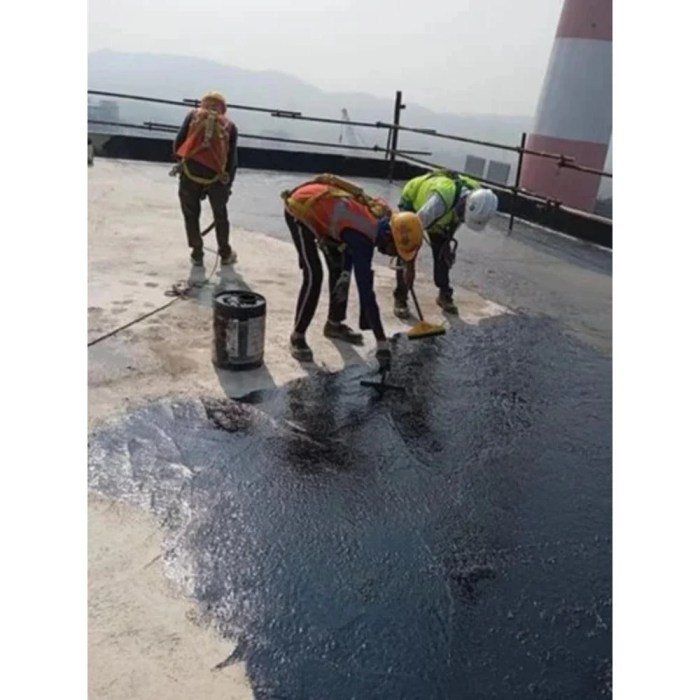
Installing liquid applied waterproofing systems on industrial roofs is crucial to ensure long-lasting protection against water damage. Here is a step-by-step guide to help you with the installation process:
Installing Liquid Applied Waterproofing Systems
- Clean the roof surface thoroughly to remove any dirt, debris, or existing coatings.
- Repair any existing damages such as cracks or leaks before applying the waterproofing system.
- Apply a primer to enhance adhesion between the roof surface and the waterproofing material.
- Use a spray gun or roller to apply the liquid waterproofing material evenly across the roof surface.
- Allow the waterproofing material to cure as per manufacturer's instructions before exposing it to water or other elements.
Maintaining spray applied coatings is essential to ensure their effectiveness over time. Here are some best practices for maintaining industrial roofing waterproofing:
Maintaining Spray Applied Coatings
- Regularly inspect the roof for any signs of damage, such as cracks, bubbles, or peeling of the waterproofing coating.
- Address any repairs promptly to prevent water infiltration and further damage to the roof structure.
- Clean the roof surface periodically to remove dirt, debris, and other materials that can compromise the waterproofing system.
- Monitor the drainage system to ensure proper water flow and prevent water accumulation on the roof surface.
Regular inspections and repairs play a crucial role in the maintenance of industrial roofing waterproofing. It is important to detect and address any issues early to prevent costly repairs in the future.Proper drainage systems are also essential in prolonging the lifespan of industrial waterproofing solutions.
Adequate drainage helps prevent water pooling on the roof surface, reducing the risk of water damage and extending the durability of the waterproofing materials.
Conclusive Thoughts
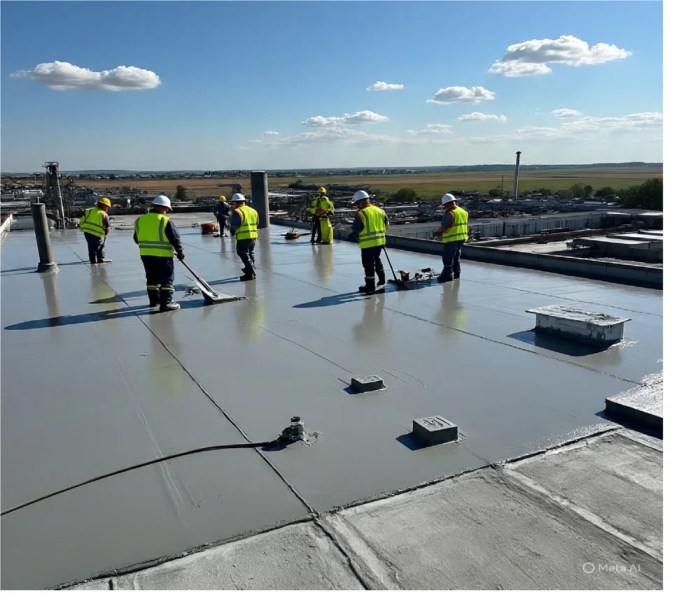
In conclusion, industrial roofing waterproofing solutions are a critical aspect of maintaining the integrity of industrial buildings. This summary encapsulates the key points discussed, leaving readers with a profound understanding of the subject.
Detailed FAQs
What are the common challenges faced in industrial roofing waterproofing?
Common challenges include leaks, inadequate drainage, and durability issues.
How do climate and roof design impact the choice of waterproofing solutions?
Climate and roof design play a crucial role in determining the most suitable waterproofing solutions for industrial roofs.
What is the role of regular inspections in the maintenance of industrial roofing waterproofing?
Regular inspections help identify issues early on and prevent major damage, ensuring the longevity of the waterproofing system.