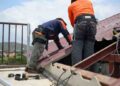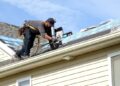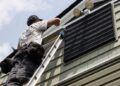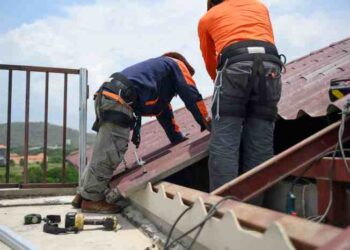

Embark on a journey to discover the importance and benefits of home roof replacement services, essential for the safety and functionality of your abode. Dive into the different roofing materials, steps involved in the replacement process, and factors to consider when choosing the right service provider.
Importance of Home Roof Replacement Services
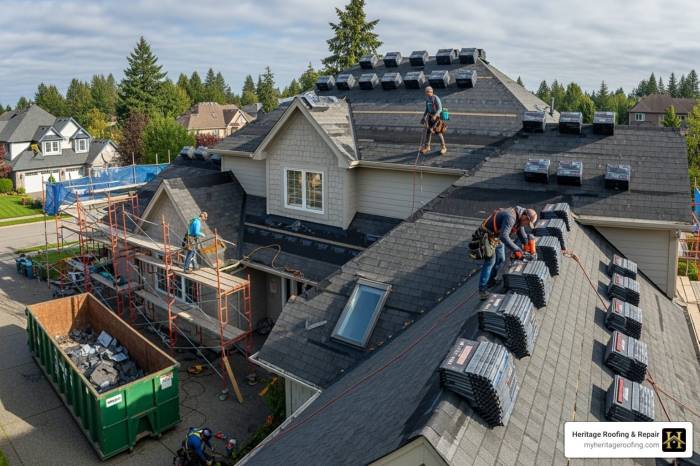
Regular roof replacement is crucial for maintaining a safe and functional home. Over time, roofs can deteriorate due to weather conditions, wear and tear, or simply old age. A damaged roof can lead to various safety hazards and structural issues within the home.
Consequences of Delaying or Neglecting Roof Replacement
- Leakage: A compromised roof can result in water leakage, leading to damage to the interior of the house, including walls, ceilings, and belongings.
- Mold and Mildew: Moisture from a leaking roof can create an environment conducive to the growth of mold and mildew, posing health risks to occupants.
- Structural Damage: Neglecting roof replacement can cause structural damage to the entire house, compromising its stability and safety.
- Decreased Energy Efficiency: A damaged roof can result in poor insulation, leading to increased energy bills as the HVAC system works harder to maintain the desired temperature.
Benefits of Hiring Professional Services for Roof Replacement
- Expertise: Professional roofers have the knowledge and skills to assess the condition of your roof accurately and recommend the best course of action.
- Quality Materials: Professional services use high-quality materials that are durable and long-lasting, ensuring the longevity of your new roof.
- Safety: Roof replacement can be a dangerous task, and professional roofers have the necessary safety equipment and training to perform the job safely.
- Warranty: Many professional roof replacement services offer warranties on their work, giving you peace of mind knowing that any issues will be addressed promptly.
Types of Roofing Materials
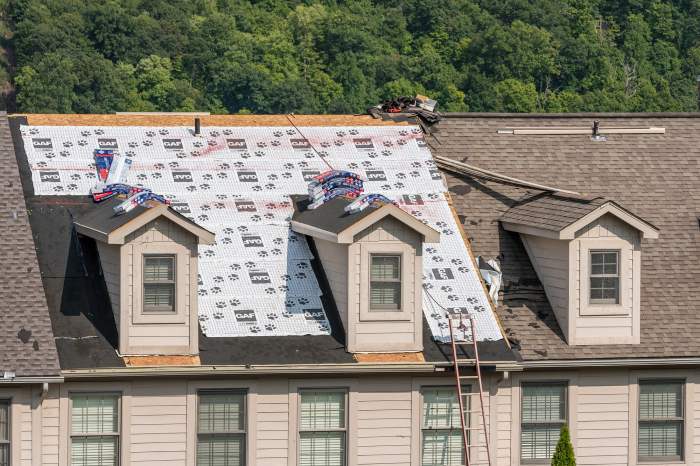
When it comes to home roof replacement services, choosing the right roofing material is crucial for the longevity and aesthetics of your home. Here is an overview of different roofing materials available for replacement:
Asphalt Roofing
Asphalt shingles are the most popular roofing material due to their affordability and ease of installation. They come in a variety of colors and styles, making them versatile for different home designs. However, they have a shorter lifespan compared to other materials and may require more frequent replacements.
Metal Roofing
Metal roofs are known for their durability and longevity, lasting up to 50 years or more with proper maintenance. While they are more expensive upfront, they can save you money in the long run due to their energy efficiency and minimal maintenance requirements.
Metal roofs also come in various styles and colors, adding a modern touch to your home.
Tile Roofing
Tile roofs are popular for their aesthetic appeal and longevity, lasting up to 100 years or more. They come in different materials such as clay, concrete, and slate, offering a unique look to your home. However, tile roofs are heavier than other materials, so your home's structure may need reinforcement to support the weight.Each roofing material has its own advantages and considerations, so it's important to weigh the durability, cost-effectiveness, and aesthetic aspects before making a decision for your home roof replacement.
Steps Involved in Home Roof Replacement
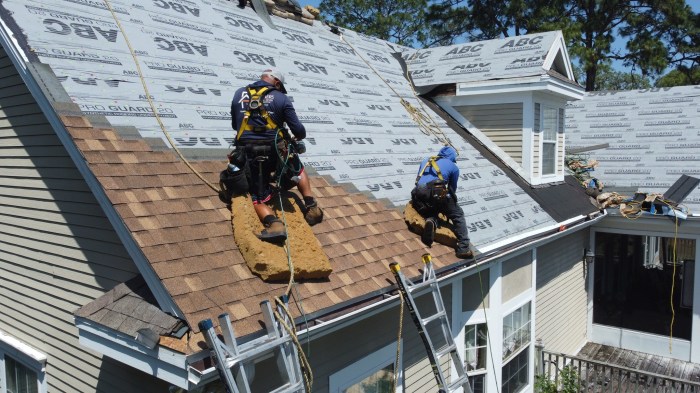
When it comes to replacing a home roof, there are several important steps that need to be followed to ensure a successful and long-lasting result. From inspection to completion, each phase plays a crucial role in the overall process.
Inspection and Assessment
Before beginning the roof replacement project, it is essential to conduct a thorough inspection of the existing roof. This step helps in identifying any underlying issues, such as water damage, mold, or structural damage. A professional roofing contractor will assess the current condition of the roof and provide recommendations for the replacement.
Preparation Steps for Homeowners
As a homeowner, there are certain preparation steps that need to be taken before the roof replacement begins. This includes clearing the area around the house, removing any obstacles that may hinder the work, and ensuring that pets and children are kept away from the construction zone for safety reasons.
Removal of Old Roofing Materials
The next step in the process involves removing the old roofing materials. This is a labor-intensive task that requires careful attention to avoid damaging the underlying structure of the roof. The old shingles, underlayment, and flashing will be removed to prepare the roof for the new materials.
Installation of New Roofing Materials
Once the old materials have been removed, the next step is to install the new roofing materials. This includes laying down a new underlayment, installing shingles or other chosen roofing materials, and ensuring that all components are properly secured and sealed.
Proper installation techniques are crucial for the longevity and durability of the new roof.
Final Inspection and Clean-up
After the new roof has been installed, a final inspection will be conducted to ensure that everything has been done according to the required standards. Any leftover debris or materials will be cleaned up, and the area will be inspected for quality assurance.
Importance of Proper Installation Techniques
Proper installation techniques are vital for the long-term performance of the roof. A well-installed roof will provide protection against the elements, improve energy efficiency, and enhance the overall aesthetic appeal of the home. By following the correct installation methods, homeowners can ensure that their new roof will last for many years to come.
Factors to Consider When Choosing a Roof Replacement Service
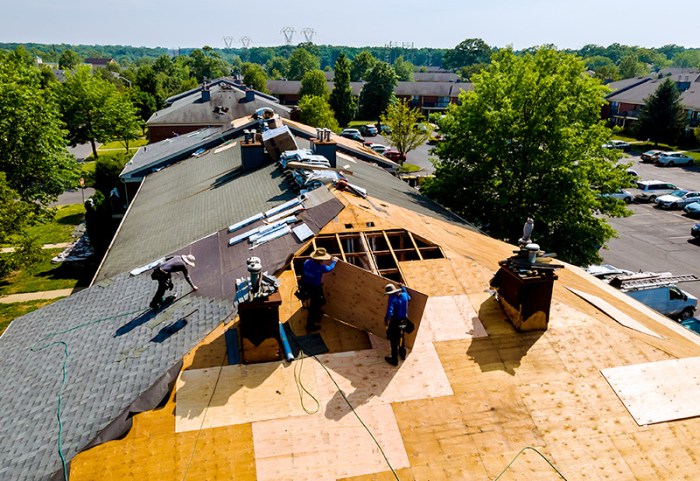
When selecting a roof replacement service provider, homeowners should take several key factors into consideration to ensure they hire the best company for the job. Factors such as warranties, pricing, reputation, licensing, insurance, and certifications play a crucial role in making an informed decision.
Comparing Warranties, Pricing, and Reputation
- Warranties: Look for companies that offer comprehensive warranties on their workmanship and materials. A strong warranty ensures that any issues that arise post-installation will be addressed promptly and at no additional cost.
- Pricing: While cost is an important factor, it should not be the sole determinant. Consider the value for money offered by different companies and avoid choosing solely based on the lowest price.
- Reputation: Research the reputation of each company by reading reviews, asking for references, and checking their track record. A company with a solid reputation is more likely to deliver quality work and customer satisfaction.
Importance of Licensing, Insurance, and Certifications
- Licensing: Ensure that the roof replacement service provider is licensed to operate in your area. A valid license indicates that the company meets certain standards and regulations set by the state or local authorities.
- Insurance: Verify that the company has adequate insurance coverage, including liability insurance and worker's compensation. This protects you from any liability in case of accidents or damages during the roof replacement process.
- Certifications: Look for certifications from reputable organizations in the roofing industry. Certifications demonstrate that the company's employees are trained and skilled in the latest roofing techniques and best practices.
Conclusive Thoughts

In conclusion, home roof replacement services play a vital role in maintaining a secure and appealing home environment. By understanding the key aspects discussed, you can make informed decisions to enhance the longevity and aesthetics of your roof.
General Inquiries
How often should I replace my home roof?
It is recommended to replace your home roof every 20-25 years to ensure its integrity and functionality.
What are the benefits of hiring professional roof replacement services?
Professional services offer expertise, quality materials, and efficient installation, ensuring a durable and long-lasting roof.
Do all roofing materials have the same lifespan?
No, different roofing materials vary in lifespan, with metal roofs lasting longer than asphalt shingles, for example.