
Embark on a journey through the world of roofing project management tools, essential for optimizing efficiency and success in the construction industry. From streamlining project planning to enhancing monitoring capabilities, these tools play a crucial role in modern construction projects.
Overview of Roofing Project Management Tools
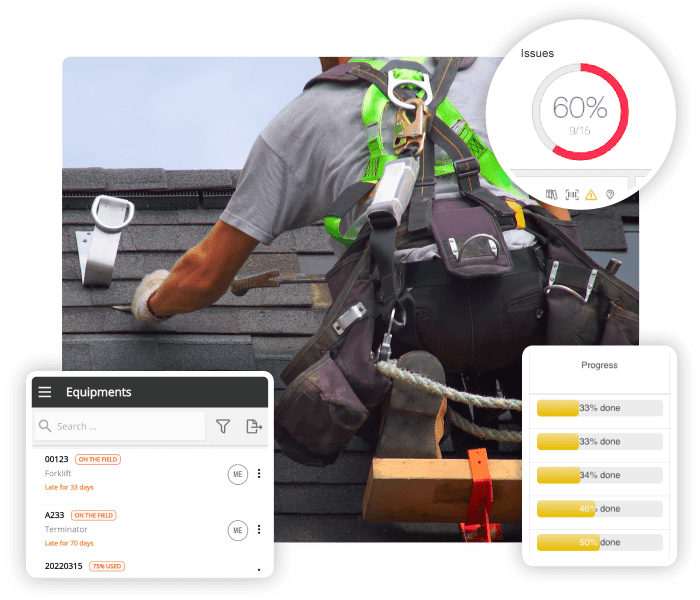
Roofing project management tools are software applications designed to help construction companies and contractors streamline their project planning, execution, and monitoring processes. These tools play a crucial role in the construction industry by providing a centralized platform for project managers to organize tasks, track progress, allocate resources, and communicate with team members efficiently.
Primary Features and Functionalities
- Task management: Allows users to create, assign, and track tasks throughout the project lifecycle.
- Document management: Provides a centralized repository for storing and sharing project-related documents, such as blueprints, contracts, and permits.
- Communication tools: Facilitates real-time collaboration among team members through chat, email, and notifications.
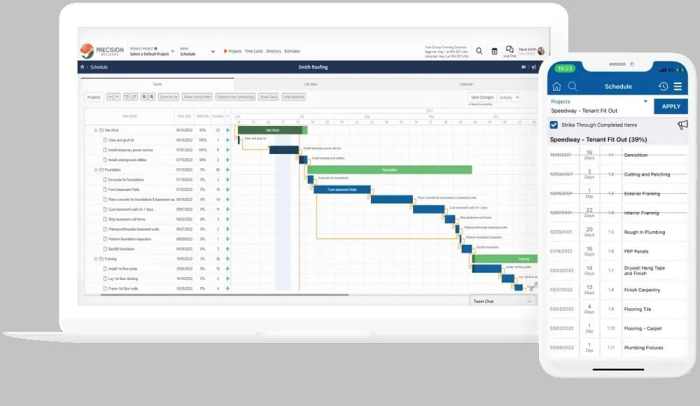
- Scheduling and calendar integration: Helps in creating project timelines, setting milestones, and syncing with calendars for better planning.
- Budget tracking: Enables monitoring of project expenses, budget allocations, and financial forecasts.
Examples of Popular Roofing Project Management Tools
- Procore: A comprehensive construction management platform that offers features for project management, quality control, safety management, and more.
- BuilderTREND: A cloud-based construction management software that provides tools for project scheduling, customer management, and financial tracking.
- CoConstruct: Specifically designed for custom home builders and remodelers, this software offers features for project management, client communication, and financial reporting.
Streamlining Project Planning, Execution, and Monitoring
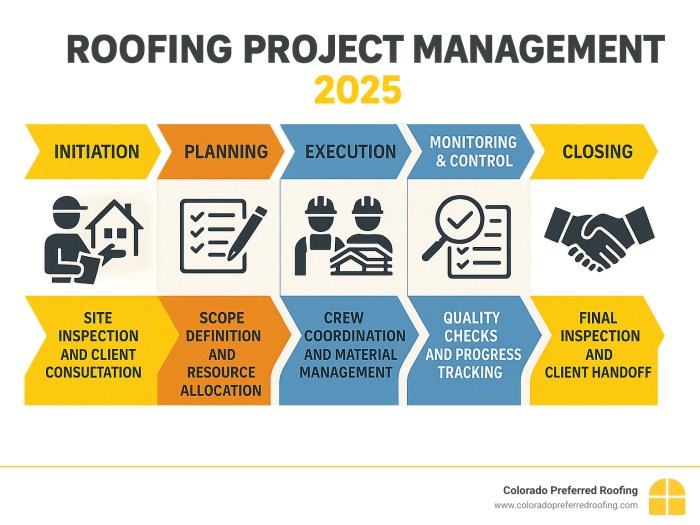
Roofing project management tools streamline project planning by providing a centralized platform for creating project schedules, assigning tasks, and setting milestones. During project execution, these tools help in tracking progress, managing resources, and ensuring timely completion of tasks. In the monitoring phase, project managers can generate reports, analyze data, and make informed decisions to optimize project performance.
Selection Criteria for Roofing Project Management Tools
When choosing a roofing project management tool, it's essential to consider several key factors to ensure that the tool meets your specific needs and requirements. Factors such as cost, scalability, ease of use, and integrations play a vital role in the effectiveness of the tool in managing your roofing projects.
Additionally, compatibility with existing systems and workflows is crucial to ensure a seamless transition and integration of the new tool into your current operations. Evaluating demo versions of these tools effectively can also help you make an informed decision based on your firsthand experience with the tool's features and functionalities.
Cost
Consider the upfront cost as well as any ongoing fees or subscriptions associated with the tool. Ensure that the cost aligns with your budget and offers value for the features provided.
Scalability
Look for a tool that can grow with your business and accommodate the size and complexity of your roofing projects as your business expands. Scalability is essential to avoid the need for switching to a different tool in the future.
Ease of Use
Choose a tool that is user-friendly and intuitive to navigate. A complex or difficult-to-use tool can hinder productivity and lead to resistance from team members in adopting the new system.
Integrations
Check if the tool integrates seamlessly with other software and tools that your team uses. Compatibility with existing systems can streamline workflows and eliminate the need for manual data entry or duplicate efforts.
Evaluating Demo Versions
When testing out demo versions of roofing project management tools, focus on how easily you can perform key tasks, such as creating and assigning tasks, tracking progress, generating reports, and collaborating with team members. Pay attention to the tool's performance, speed, and responsiveness to ensure it meets your requirements effectively.
Implementation Process of Roofing Project Management Tools
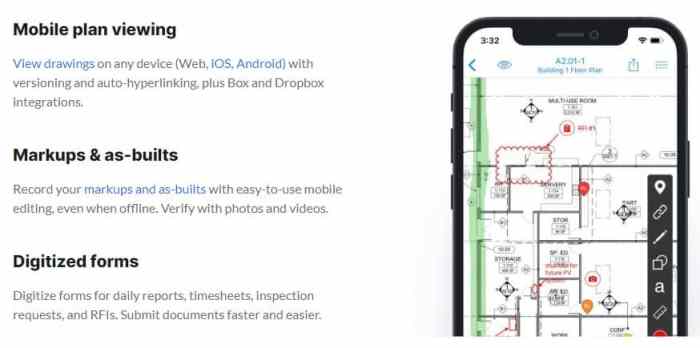
Implementing a new roofing project management tool is a crucial step in streamlining project workflows and increasing efficiency. Below are the steps involved in successfully implementing a roofing project management tool:
Setting Up the Tool
- Choose the right software that aligns with your project requirements and budget.
- Install the software on all team members' devices and ensure they have the necessary permissions to access and use the tool.
- Create user accounts and set up project templates to standardize processes.
Importing Data
- Transfer existing project data into the new tool, ensuring accuracy and completeness.
- Map data fields from the old system to the new one to maintain consistency.
- Verify the imported data to identify any discrepancies or errors that need to be addressed.
Customizing for Specific Project Needs
- Customize the tool to match the specific requirements of your roofing projects.
- Create custom fields, workflows, and reports to track project progress and performance.
- Configure notifications and alerts to keep team members informed and on track.
Training Team Members
- Provide comprehensive training sessions to familiarize team members with the tool's features and functionalities.
- Create user guides and documentation for reference and troubleshooting.
- Encourage team members to practice using the tool and offer ongoing support as needed.
Overcoming Common Challenges
- Resistance to change: Address concerns and communicate the benefits of the new tool to gain buy-in from team members.
- Data migration issues: Plan ahead and test the data migration process to identify and resolve any issues before full implementation.
- Lack of training: Prioritize training and provide resources for team members to build confidence and proficiency in using the tool.
Benefits of Using Roofing Project Management Tools
Implementing roofing project management tools can bring various benefits to a roofing company. These tools are designed to enhance productivity, promote collaboration among team members, and help in cost savings.
Increased Productivity
- Roofing project management tools streamline processes, reduce manual tasks, and automate repetitive activities, allowing team members to focus on core project requirements.
- By providing a centralized platform for communication and task management, these tools eliminate confusion, enhance coordination, and improve overall project efficiency.
- Real-time updates and notifications ensure that everyone is on the same page, reducing delays and accelerating project timelines.
Improved Collaboration
- These tools facilitate seamless collaboration among team members, enabling them to share documents, communicate effectively, and work together towards common project goals.
- Features like file sharing, comments, and real-time messaging enhance communication and foster a spirit of teamwork within the organization.
- Virtual meetings, project dashboards, and progress tracking tools promote transparency and accountability, leading to better project outcomes.
Cost Savings
- Efficient resource allocation and task tracking help in optimizing project resources, reducing wastage, and cutting down unnecessary expenses.
- By streamlining project workflows and minimizing errors, roofing project management tools contribute to cost savings by avoiding rework and delays.
- Improved project efficiency and timely completion lead to better client satisfaction, repeat business, and positive referrals, ultimately boosting revenue and profitability.
Real-Life Examples
Companies like ABC Roofing and XYZ Construction have successfully implemented roofing project management tools, resulting in significant improvements in project delivery, client satisfaction, and overall business performance.
Enhanced Project Efficiency
- Resource allocation features help in assigning tasks to the right team members based on their skills and availability, ensuring optimal utilization of resources.
- Task tracking tools enable project managers to monitor progress, identify bottlenecks, and take corrective actions in real-time, enhancing project efficiency and on-time delivery.
- Progress reporting capabilities provide stakeholders with visibility into project status, milestones achieved, and potential risks, fostering trust and confidence among clients and team members.
End of Discussion
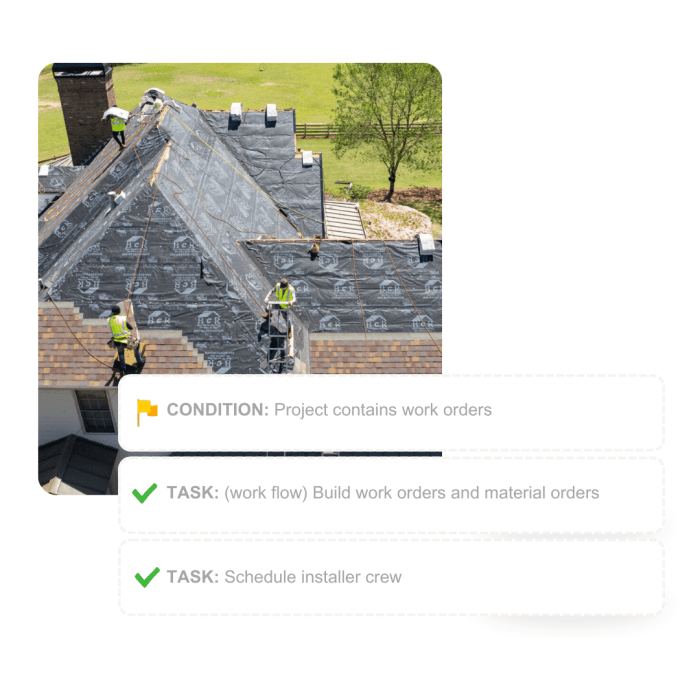
In conclusion, roofing project management tools are indispensable assets for any construction project, offering a myriad of benefits such as improved productivity, seamless collaboration, and significant cost savings. By leveraging these tools effectively, construction companies can ensure project efficiency and client satisfaction, ultimately leading to successful outcomes.
Common Queries
How do roofing project management tools enhance project planning?
These tools streamline the planning process by providing features for task scheduling, resource allocation, and timeline management.
What factors should be considered when selecting a roofing project management tool?
Key factors include cost, scalability, ease of use, integrations, and compatibility with existing systems and workflows.
What are the benefits of using roofing project management tools for progress reporting?
These tools help in tracking task progress, monitoring milestones, and generating detailed progress reports for stakeholders.
How can companies overcome challenges during the implementation of roofing project management tools?
By providing comprehensive training, addressing system integration issues, and actively involving team members in the implementation process.
Which companies have successfully implemented roofing project management tools for improved efficiency?
Companies like ABC Construction and XYZ Builders have reported significant improvements in efficiency and client satisfaction after implementing these tools.