
Exploring the world of roofing solutions for warehouses unveils a realm of diverse options and considerations. From flat roofs to pitched roofs, metal roofing to EPDM systems, this guide delves into the nuances of selecting the ideal roofing solution for your warehouse.
As we navigate through the various factors influencing the choice of roofing materials and installation practices, you'll gain valuable insights into enhancing the durability and efficiency of your warehouse roof.
Different Types of Roofing Solutions for Warehouses
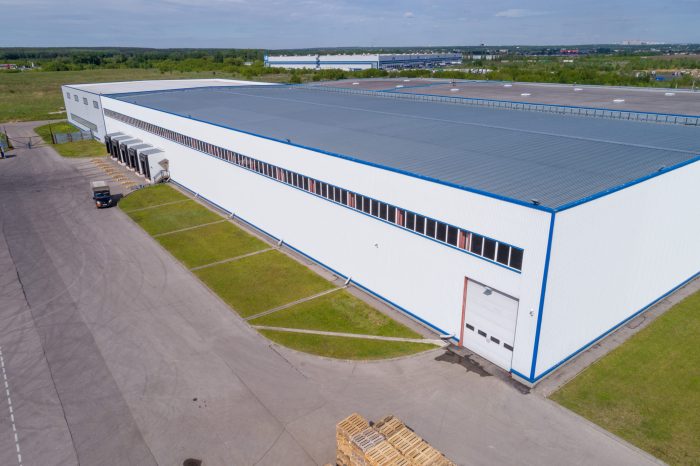
When it comes to roofing solutions for warehouses, there are several options to consider based on various factors such as the building's location, size, and budget. In this discussion, we will compare and contrast flat roofs versus pitched roofs, as well as the benefits and drawbacks of using metal roofing, EPDM roofing, and built-up roofing systems.
Flat Roofs vs. Pitched Roofs for Warehouse Buildings
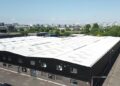
Flat roofs are commonly found on warehouses due to their cost-effectiveness and ease of installation. They provide additional space for HVAC units and other equipment. However, flat roofs are more prone to leaks and require regular maintenance to prevent water pooling.
On the other hand, pitched roofs offer better drainage and are more aesthetically pleasing. They also provide additional attic space for storage but can be more expensive to install.
Metal Roofing, EPDM Roofing, and Built-Up Roofing Systems
Metal roofing is known for its durability and longevity, making it a popular choice for warehouses. It is resistant to fire, pests, and extreme weather conditions. However, metal roofing can be noisy during rain or hailstorms and may require insulation for soundproofing.
EPDM roofing, also known as rubber roofing, is lightweight and cost-effective. It provides excellent UV resistance and requires minimal maintenance. Built-up roofing systems consist of multiple layers of asphalt and reinforcing fabrics, offering good waterproofing and insulation. However, they can be heavy and may require frequent repairs.
Considerations for Choosing the Most Suitable Roofing Solution
- Location: Consider the climate and weather conditions in the warehouse's location to determine the best roofing material for durability and weather resistance.
- Size: The size of the warehouse can impact the choice of roofing system, as larger buildings may require more durable materials to support the structure.
- Budget: Evaluate the initial cost, maintenance expenses, and long-term durability of different roofing solutions to choose one that fits within the budget constraints.
Factors to Consider When Selecting Roofing Solutions
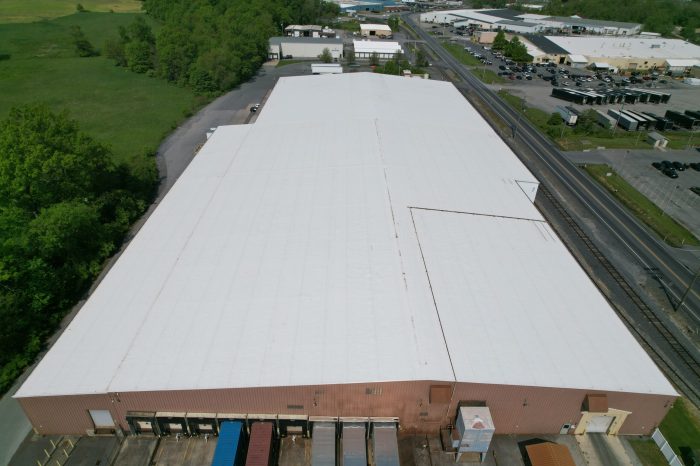
When choosing roofing solutions for warehouses, several key factors must be taken into account to ensure the optimal performance and longevity of the roof. Factors such as weather conditions, insulation requirements, and maintenance costs play a crucial role in determining the most suitable roofing materials for a warehouse.
Additionally, the focus on energy efficiency and sustainability has become increasingly important in the selection process, leading to the adoption of innovative roofing technologies.
Weather Conditions
Weather conditions in the warehouse location are a significant factor to consider when selecting roofing solutions. The roof must be able to withstand extreme temperatures, heavy rainfall, high winds, or snow loads depending on the region. For example, in areas prone to hurricanes or tornadoes, a durable and impact-resistant roofing material such as metal or asphalt shingles may be preferred.
Insulation Requirements
Proper insulation is essential for maintaining a comfortable temperature inside the warehouse while reducing energy costs. The choice of roofing material can significantly impact the insulation properties of the roof. For instance, cool roof systems with reflective coatings can help reduce heat absorption and lower cooling costs during hot summer months.
Maintenance Costs
Considering the long-term maintenance costs of the roofing system is crucial for budget planning and overall cost-effectiveness. Some roofing materials may require more frequent inspections, repairs, or replacements, leading to higher maintenance expenses over time. It is essential to choose a roofing solution that offers durability and minimal maintenance requirements to avoid unexpected costs.
Energy Efficiency and Sustainability
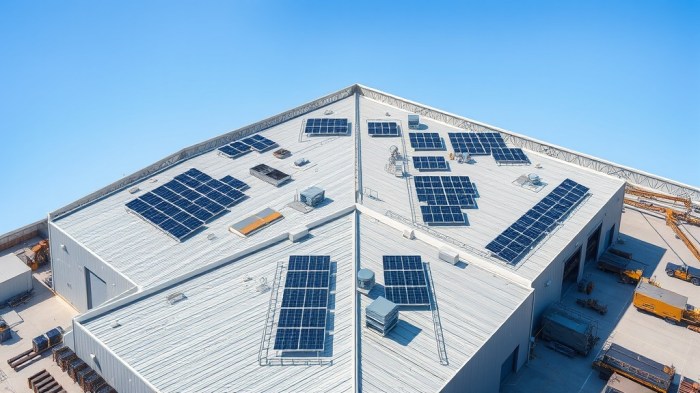
Incorporating energy-efficient and sustainable roofing materials can contribute to reducing the environmental impact of the warehouse operations. Green roof systems, solar panels, or cool roof technologies are examples of innovative solutions that can enhance energy efficiency, reduce carbon footprint, and lower utility bills.
By choosing sustainable roofing materials, warehouse owners can demonstrate their commitment to environmental responsibility.
Innovative Roofing Technologies
Advancements in roofing technologies have introduced new options for enhancing the durability and performance of warehouse roofs. For instance, single-ply membrane roofing systems offer superior waterproofing properties and resistance to UV rays. Additionally, the use of photovoltaic roofing tiles can transform the roof into a renewable energy source, generating electricity and reducing reliance on traditional power grids.
Installation and Maintenance Practices for Warehouse Roofs
Proper installation and regular maintenance are crucial for ensuring the longevity and efficiency of warehouse roofs
Best Practices for Installing Warehouse Roofs
- Ensure proper insulation and ventilation to prevent moisture buildup and mold growth.
- Use high-quality materials that are suitable for the specific climate and conditions of the warehouse location.
- Hire experienced roofing contractors who specialize in warehouse roofing to ensure a professional installation.
- Regularly inspect the roof during and after installation to catch any issues early on.
Regular Maintenance Tasks for Warehouse Roofs
- Clean debris and dirt from the roof surface regularly to prevent clogging of drainage systems.
- Inspect for any signs of damage, such as cracks, tears, or loose flashing, and repair them promptly.
- Trim overhanging branches and remove any vegetation that can damage the roof or cause drainage issues.
- Check and maintain the roof's waterproofing system to prevent leaks and water damage.
Preventative Measures for Common Roofing Issues
- Implement a regular inspection schedule to identify and address potential problems before they escalate.
- Ensure proper drainage to prevent ponding water, which can weaken the roof structure over time.
- Install protective barriers or screens to prevent debris from accumulating on the roof and causing damage.
- Consider applying a roof coating to enhance durability and weather resistance, extending the lifespan of the roof.
Cost Analysis and Budgeting for Warehouse Roofing Projects
When it comes to warehouse roofing projects, it is essential to have a clear understanding of the costs involved and to develop a comprehensive budgeting plan. This ensures that the project stays on track and meets financial goals.
Breakdown of Costs for Installing and Maintaining Roofing Solutions
- Initial Installation Costs: This includes the cost of materials, labor, equipment, and permits required for installing the chosen roofing solution.
- Maintenance Costs: Regular inspections, repairs, and upkeep are necessary to ensure the longevity and performance of the warehouse roof.
- Energy Efficiency Upgrades: Investing in energy-saving features such as insulation or reflective coatings can lead to long-term cost savings.
Cost-Effective Budgeting Strategies for Large-Scale Projects
- Obtain Multiple Quotes: Get estimates from different roofing contractors to compare prices and choose the most cost-effective option.
- Plan for Contingencies: Set aside a budget for unexpected expenses or additional work that may arise during the project.
- Consider Long-Term Savings: While upfront costs may vary, opt for roofing solutions that offer energy efficiency benefits to reduce operational expenses in the long run.
Evaluating Return on Investment for Different Roofing Options
- Longevity: Assess the expected lifespan of each roofing solution to determine the cost-effectiveness over time.
- Energy Savings: Calculate potential energy savings by choosing roofing materials that reduce heat absorption and lower cooling costs.
- Maintenance Costs: Compare the ongoing maintenance requirements and costs of different roofing options to evaluate the overall return on investment.
Final Thoughts
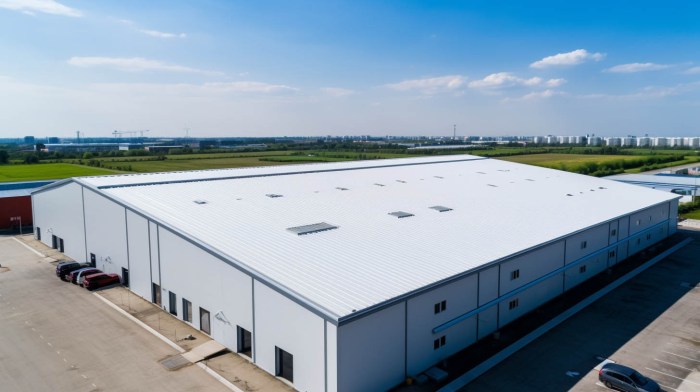
In conclusion, the journey through roofing solutions for warehouses illuminates the importance of informed decision-making to ensure longevity and cost-effectiveness. By implementing best practices and innovative technologies, you can transform your warehouse roof into a durable asset that withstands the test of time.
Expert Answers
What are the key factors to consider when choosing between flat roofs and pitched roofs for warehouses?
Flat roofs offer easier maintenance and more space for rooftop equipment, while pitched roofs provide better drainage and ventilation.
How can energy efficiency and sustainability impact the selection of roofing materials for warehouses?
Energy-efficient materials can reduce heating and cooling costs, while sustainable options contribute to environmental conservation.
What are some common preventative measures to avoid roofing issues in warehouses?
Regular inspections, prompt repairs, and proper drainage systems can help prevent leaks, water ponding, and debris damage.