
Diving into the world of roof replacement cost per square foot, we uncover the various factors, materials, labor costs, and calculation methods that influence the overall expenses. Get ready to explore the intricacies of roof replacement pricing in this informative guide.
As we delve deeper, you'll gain valuable insights into how different elements impact the cost of replacing your roof, allowing you to make informed decisions when it comes to this significant investment.
Factors Affecting Roof Replacement Cost
When it comes to determining the cost of roof replacement per square foot, several factors come into play. These factors can significantly impact the overall cost of the project.
Material Choice
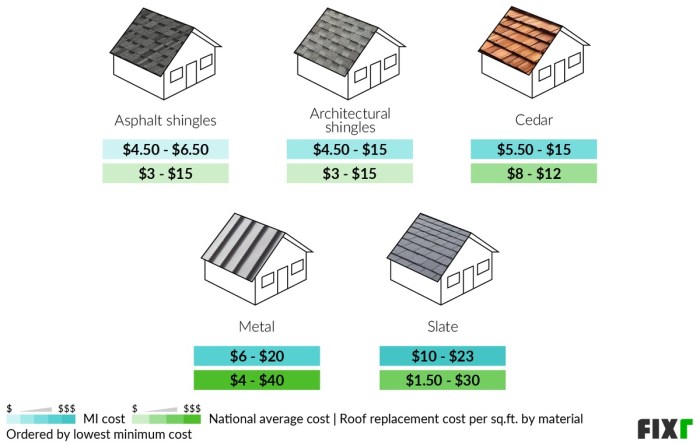
The type of roofing material you choose can have a significant impact on the cost of replacement. For example, asphalt shingles are generally more affordable compared to materials like metal or slate. The quality and durability of the material will also affect the cost, with higher quality materials typically costing more upfront but potentially saving money in the long run due to their longevity.
Roof Size
The size of your roof is another key factor in determining the cost of replacement. Larger roofs will naturally require more materials and labor, resulting in a higher overall cost. Conversely, smaller roofs will generally cost less to replace.
Roof Pitch
The pitch or slope of your roof can also impact the cost of replacement. Steeper roofs are more challenging to work on and may require additional safety measures and equipment, leading to higher labor costs. In contrast, roofs with a lower pitch are easier to navigate and typically cost less to replace.
Location
The location of your property can also influence the cost of roof replacement. Factors such as local labor rates, building codes, and accessibility can all affect the overall cost of the project. For example, replacing a roof in a remote area with limited access may result in higher labor costs compared to a roof replacement in a more accessible location.
Types of Roofing Materials
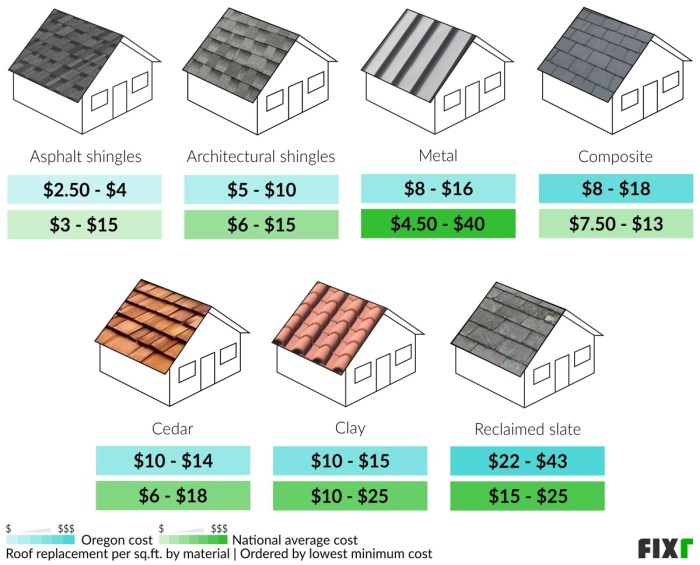
When it comes to replacing a roof, the choice of roofing material plays a significant role in determining the overall cost. Different materials come with varying price points, durability levels, and longevity. Let's take a look at some common roofing materials used for replacement and compare their cost differences.
Asphalt Shingles
Asphalt shingles are the most popular roofing material in the United States due to their affordability. They are relatively inexpensive to install and come in a variety of colors and styles. However, asphalt shingles have a shorter lifespan compared to other materials, typically lasting around 15-30 years depending on the quality.
Metal Roofing
Metal roofing is known for its durability and longevity, lasting 40-70 years or more. While metal roofs have a higher upfront cost than asphalt shingles, they require less maintenance and are more energy-efficient, potentially saving money on heating and cooling costs in the long run.
Tile Roofing
Tile roofing, often made of clay or concrete, is a popular choice for its aesthetic appeal and durability. However, tile roofs can be quite expensive to install compared to asphalt shingles or metal. They have a lifespan of 50 years or more, making them a long-term investment for homeowners.
Wood Shake Roofing
Wood shake roofing provides a natural and rustic look to a home. While it is one of the more expensive roofing materials to install, wood shakes can last 30 years or more with proper maintenance. They require regular upkeep to prevent issues like rot or mold.Each roofing material has its own set of pros and cons, impacting the overall cost of roof replacement.
Homeowners should consider factors like initial cost, durability, and maintenance requirements before choosing the right material for their needs.
Labor Costs and Installation Expenses
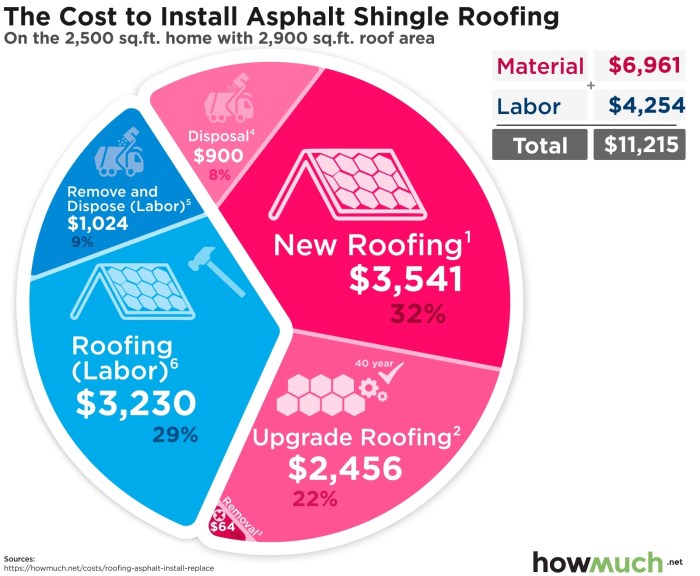
Labor costs play a crucial role in determining the total square footage price of roof replacement. Factors such as the complexity of installation and additional services required can significantly impact labor expenses.
Skilled Labor and Permits
Skilled labor is essential for a successful roof replacement project, as it ensures the proper installation of roofing materials. The expertise of the workers can affect the overall cost, as highly skilled labor may charge more for their services. Additionally, permits may be required for certain types of roofing projects, adding to the labor expenses.
Removal of Old Roofing Materials
The removal of old roofing materials is another factor that contributes to labor costs. This process can be time-consuming and labor-intensive, especially if the existing roof needs to be completely removed before the new one can be installed. The cost of labor for removing old materials should be factored into the overall price of the roof replacement project.
Cost Calculation Methods
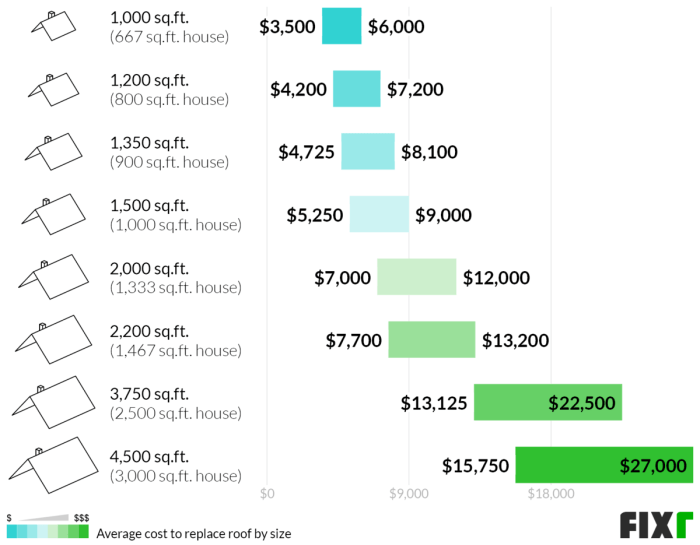
When it comes to determining the cost of roof replacement per square foot, there are specific methods used by professionals to provide accurate estimates. Whether it's through online calculators or on-site assessments, the goal is to arrive at a fair and reasonable cost for the project.
Online Calculators vs On-site Assessments
- Online Calculators: These tools use algorithms based on general data such as square footage, roofing material, and location to provide an estimate. While convenient, they may not account for specific factors unique to your roof.
- On-site Assessments: Professionals visit the property to inspect the roof, take measurements, and assess any underlying issues. This hands-on approach typically results in a more accurate cost estimate.
Professional Assessment Process
- Initial Inspection: A roofing professional will inspect the roof to determine its condition, identify any damage, and assess the complexity of the job.
- Measurement: Accurate measurements of the roof's square footage are taken to calculate the amount of materials needed.
- Material Selection: Based on the homeowner's preferences and budget, the type of roofing material is chosen, which impacts the overall cost.
- Labor Costs: The cost of labor is factored in, considering the time and expertise required to complete the installation.
- Additional Costs: Any additional expenses such as permit fees, disposal of old materials, or repairs are included in the final cost.
- Final Estimate: After considering all the above factors, a detailed cost estimate is provided to the homeowner for approval.
Closing Summary
In conclusion, understanding the variables that contribute to roof replacement cost per square foot empowers homeowners to navigate the process with confidence. Whether you're considering a roof upgrade or facing the need for repairs, this guide equips you with the knowledge needed to make sound choices for your home.
FAQ Corner
What factors affect roof replacement cost?
The main factors include material choice, roof size, roof pitch, and location, all of which can influence the overall cost per square foot.
What are the common types of roofing materials used for replacement?
Common materials include asphalt shingles, metal, tile, and wood, each with varying costs and durability factors.
How do labor costs impact the total cost of roof replacement?
Labor costs play a significant role in the overall price, affected by installation complexities, skilled labor requirements, and additional services like old roof material removal.
What are the typical methods used to calculate roof replacement cost per square foot?
Methods range from online calculators to on-site assessments, with professionals using detailed steps to determine the final cost accurately.