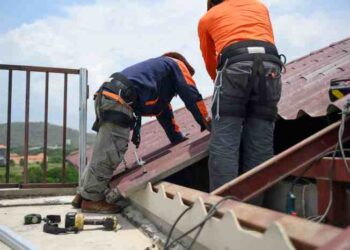

When it comes to dealing with a leaking roof emergency repair, quick action is crucial. This guide delves into the essential steps and precautions to take when faced with this urgent situation. From identifying signs of a leak to hiring professional help, this comprehensive overview covers all aspects of handling a leaking roof emergency with precision and care.
Understanding Leaking Roof Emergencies
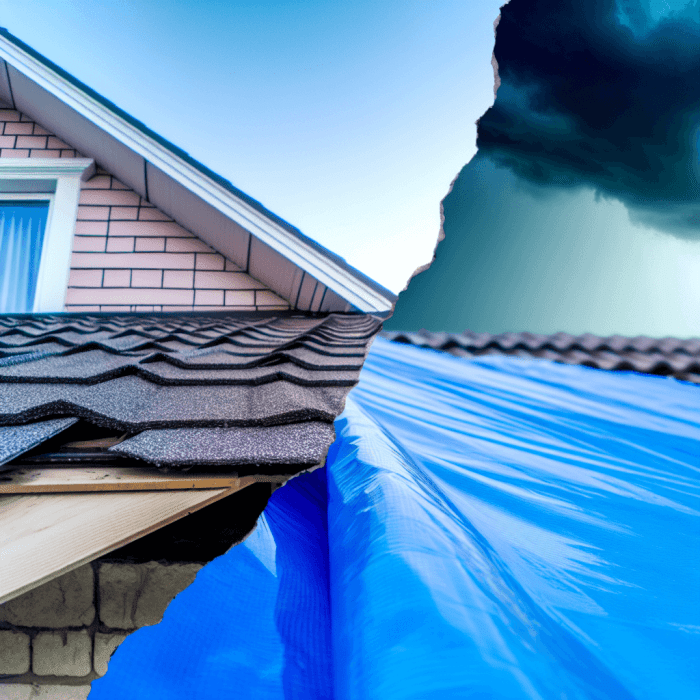
When a roof is leaking and causing immediate water damage inside a building, it constitutes a leaking roof emergency. This can be due to various reasons such as storm damage, poor maintenance, or deteriorating roofing materials.
Leaving a leaking roof unrepaired can lead to serious consequences such as structural damage to the building, mold growth, electrical hazards, and compromised safety for the occupants. Water infiltration can weaken the roof structure, insulation, and even the foundation of the building over time.
Potential Dangers of Delaying Repairs
- Increased risk of structural damage
- Mold growth and indoor air quality issues
- Electrical hazards from water exposure
- Potential for accidents due to slippery surfaces
Identifying Signs of a Leaking Roof
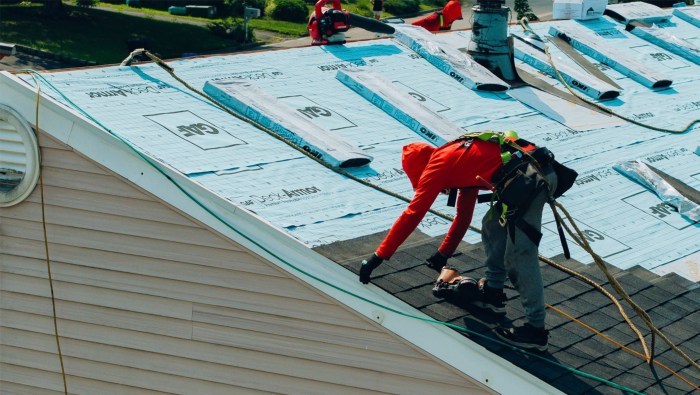
Roof leaks can cause significant damage if not addressed promptly. It's crucial to be able to identify the signs of a leaking roof to prevent further issues.
Common Signs of a Leaking Roof
- Water stains on ceilings or walls
- Dripping water or sounds of water running
- Mold or mildew growth
- Missing, cracked, or curled shingles
- Clogged gutters or downspouts
Locating the Source of a Roof Leak
To locate the source of a roof leak, start by examining the interior of your home for any signs of water damage. Trace the path of the water stains to the highest point on the roof where the leak may be occurring.
It's also important to inspect the attic for any signs of water intrusion.
Different Types of Roofs and Signs of Leaking
| Roof Type | Signs of Leaking |
|---|---|
| Asphalt Shingle Roof | Missing, cracked, or curled shingles |
| Flat Roof | Ponding water or blisters on the roof surface |
| Metal Roof | Rust spots or loose seams |
| Tile Roof | Broken or cracked tiles |
Immediate Actions for Roof Leak Emergencies
When faced with a roof leak emergency, it is crucial to act quickly to minimize damage and ensure safety. Here are some steps to follow in such situations:
Step-by-Step Guide:
- 1. Assess the Situation: Locate the source of the leak and determine the extent of the damage.
- 2. Contain the Water: Place buckets or containers under the leak to collect dripping water and prevent it from spreading.
- 3. Clear the Area: Remove any valuable items or furniture from the affected area to prevent further damage.
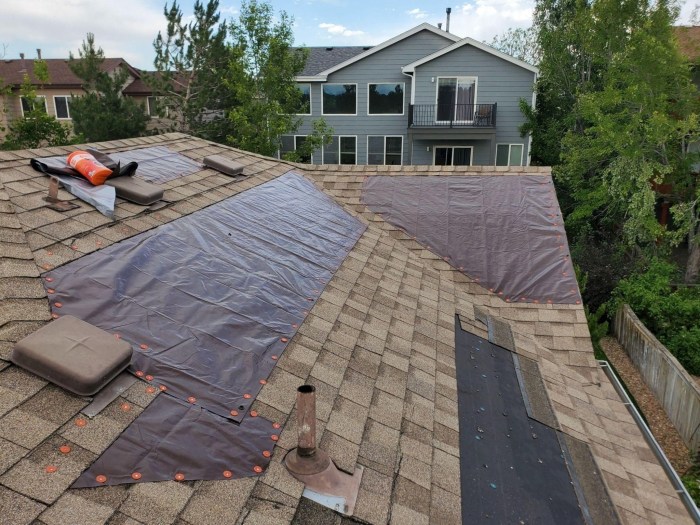
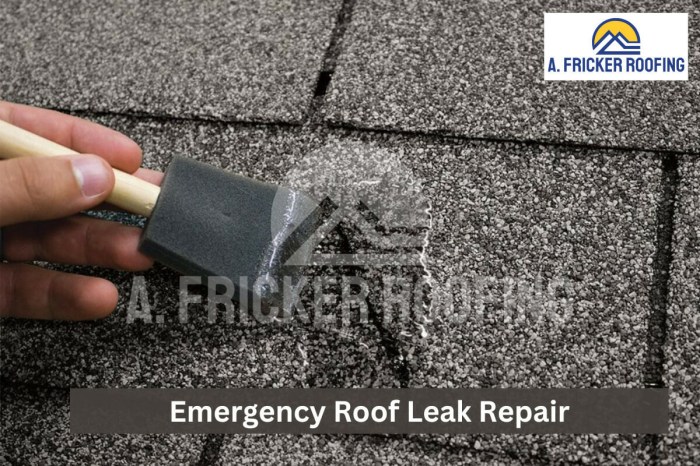
- 4. Temporary Patching: If safe to do so, use materials like duct tape or a tarp to create a temporary patch on the roof to stop the leak temporarily.
- 5. Contact Professionals: Reach out to roofing experts for immediate repair and restoration services.
Safety Precautions:
- 1. Avoid Standing Water: Do not walk on wet areas to prevent slipping and injuries.
- 2. Turn Off Electricity: In case water is near electrical outlets or appliances, switch off the power to avoid electrocution hazards.
- 3. Use Protective Gear: Wear gloves and boots to protect yourself from sharp debris and contaminated water.
- 4. Seek Shelter: If the leak is severe and poses a risk to your safety, evacuate the premises and wait for professional assistance.
Hiring Professional Help for Roof Leak Emergencies
When faced with a leaking roof emergency, it is crucial to consider hiring a professional for immediate repairs. Hiring a professional can ensure the safety of your property and loved ones, as well as prevent further damage to your roof and home.
Benefits of Hiring a Roofing Contractor vs. DIY Repairs
While some may consider attempting to repair a leaking roof on their own, hiring a professional roofing contractor offers several benefits:
- Expertise: Roofing contractors have the knowledge and experience to accurately assess the extent of the damage and provide effective solutions.
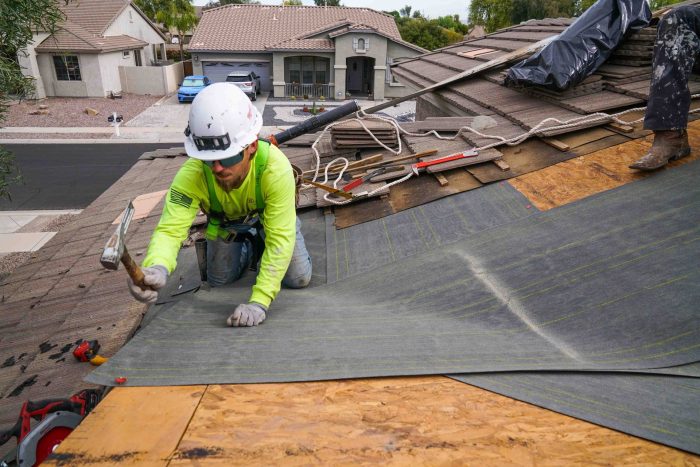
- Safety: Professionals are equipped with the right tools and safety gear to handle emergency roof repairs without putting themselves at risk.
- Quality Workmanship: Professional contractors can deliver high-quality repairs that are durable and long-lasting, ensuring the problem is properly addressed.
- Time and Cost-Efficiency: Hiring a professional can save you time and money in the long run by avoiding costly mistakes and ensuring the job is done right the first time.
What to Look for in a Reputable Emergency Roof Repair Service
When choosing an emergency roof repair service, it is important to consider the following factors:
- Licensing and Insurance: Ensure the contractor is licensed and insured to protect yourself from liability in case of accidents or damages.
- Reputation: Look for reviews and testimonials from previous customers to gauge the reliability and quality of service provided by the contractor.
- Emergency Response: Choose a contractor who offers 24/7 emergency services to address leaks promptly and prevent further damage.
- Written Estimate: Obtain a detailed written estimate outlining the scope of work, materials, and costs involved in the repair process.
- Guarantee: Opt for a contractor who offers a warranty or guarantee on their work to ensure you are covered in case of any issues post-repair.
Preventative Measures to Avoid Future Roof Leaks
Regular maintenance tasks play a crucial role in preventing roof leaks. By conducting routine inspections and taking proactive measures, homeowners can prolong the life of their roof and avoid emergencies.
Importance of Routine Roof Inspections
Regular roof inspections are essential for identifying potential issues before they escalate into major leaks. Inspecting the roof at least twice a year, especially after severe weather events, can help catch problems early on.
- Look for missing, damaged, or curling shingles.
- Check for signs of mold, mildew, or water stains on the ceiling.
- Inspect the flashing around chimneys, vents, and skylights.
- Clear debris from gutters and downspouts to ensure proper drainage.
Tips to Prolong Roof Life and Prevent Emergencies
Taking proactive steps to maintain your roof can prevent costly leaks and extend its lifespan. Here are some tips to help you avoid future roof issues:
- Trim overhanging tree branches to prevent damage from falling limbs.
- Ensure proper attic ventilation to prevent moisture buildup.
- Keep gutters clean and free of debris to prevent water backup.
- Seal any gaps or cracks in the roof to prevent water infiltration.
Ultimate Conclusion
In conclusion, addressing a leaking roof emergency repair promptly can save you from potential hazards and costly repairs down the line. By following the tips and guidelines Artikeld in this discussion, you can navigate through this challenging situation with confidence and efficiency.
Essential Questionnaire
What should I do in a leaking roof emergency?
Take immediate action by locating the source of the leak, temporarily fixing it, and contacting a professional for repair.
How quickly should a leaking roof emergency be addressed?
A leaking roof emergency should be addressed as soon as possible to prevent further damage to your property.
Is DIY repair recommended for emergency roof leaks?
It's best to hire a professional for emergency roof repairs to ensure the job is done correctly and safely.