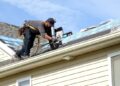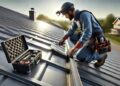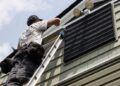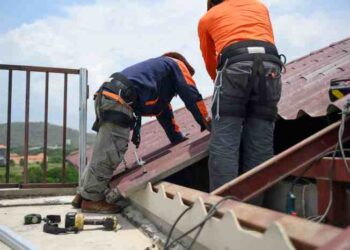

Industrial roof repair services are essential for maintaining the structural integrity of commercial buildings. Neglected repairs can have a detrimental impact on businesses, leading to costly damages and disruptions. In this guide, we will delve into the importance of industrial roof repair services, common issues faced by industrial roofs, repair techniques, benefits of professional services, and much more.
Importance of Industrial Roof Repair Services
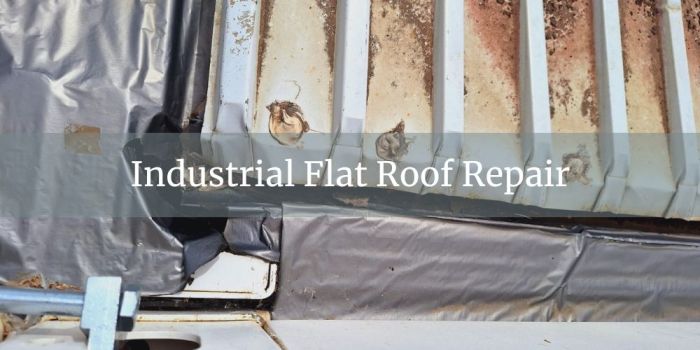
Maintaining industrial roofs is crucial for the overall safety and functionality of a business establishment. Neglected roof repairs can have a significant impact on businesses, leading to costly damage, disruptions in operations, and potential safety hazards for employees. Regular maintenance and timely repairs are essential to ensure the longevity and durability of industrial roofs.
Frequency of Roof Repairs in Industrial Settings
Industrial roofs are exposed to harsh environmental conditions, such as extreme weather, heavy foot traffic, and equipment installations, making them more susceptible to damage. Statistics show that industrial roofs require repairs more frequently compared to other types of roofs due to these factors.
It is important for businesses to invest in professional roof repair services to address issues promptly and prevent further damage.
Common Industrial Roofing Issues
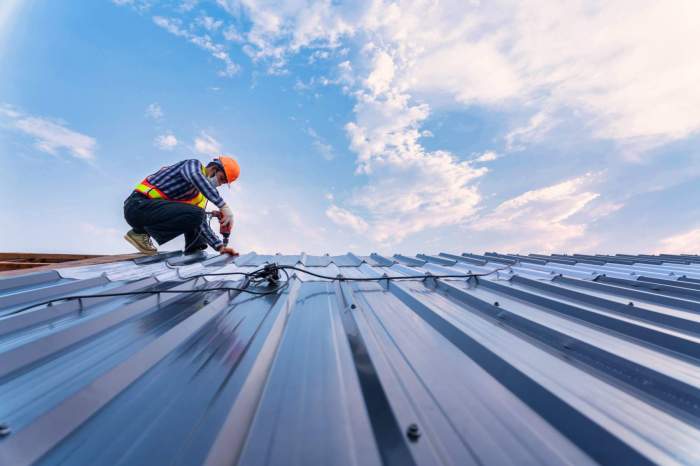
Industrial roofs are prone to various problems that can arise due to a combination of factors such as age, weather conditions, and installation errors. Identifying these issues early on is crucial to prevent further damage and costly repairs.
Typical Problems Industrial Roofs Face
- Leaks: One of the most common issues, leaks can occur due to cracks, punctures, or deteriorating seams in the roof membrane.
- Ponding Water: Flat industrial roofs may experience water pooling, leading to structural damage and accelerated deterioration.
- Poor Insulation: Improper insulation can result in energy loss, moisture buildup, and temperature fluctuations inside the building.
- Punctures and Tears: Industrial roofs are susceptible to damage from falling debris, foot traffic, or equipment maintenance.
How Weather Conditions Affect Industrial Roofs
Weather plays a significant role in the deterioration of industrial roofs. Extreme heat, cold, rain, snow, and wind can all impact the structural integrity of the roof over time. For example, prolonged exposure to UV rays can cause the roof membrane to degrade, while heavy snow loads can put excessive weight on the structure.
How Poor Installation Can Lead to Roof Issues
Improper installation of industrial roofs can result in a host of problems down the line. Issues such as inadequate sealing, incorrect material usage, and poor workmanship can all contribute to premature roof failure. It is essential to hire experienced professionals for the installation of industrial roofs to ensure longevity and performance.
Industrial Roof Repair Techniques
Industrial roofs are subject to wear and tear over time due to exposure to harsh weather conditions and other external factors. Repairing industrial roofs requires specific techniques to ensure the safety and longevity of the building. Let's explore the different methods used for repairing industrial roofs, the process of identifying roof damage in industrial settings, and the tools and materials required for industrial roof repairs.
Different Methods for Repairing Industrial Roofs
- Roof Coating: Applying a protective coating to the roof surface can help extend its lifespan and prevent leaks.
- Membrane Repair: Repairing or replacing damaged membranes to maintain the integrity of the roof.
- Flashing Repair: Fixing or replacing damaged flashing around vents, chimneys, and other roof penetrations to prevent water infiltration.
- Roof Patching: Patching up small holes or cracks in the roof to prevent further damage.
Identifying Roof Damage in Industrial Settings
- Regular Inspections: Conducting routine inspections to identify any signs of damage, such as leaks, water stains, or sagging areas.
- Checking for Mold or Mildew: Mold or mildew growth can indicate water damage and roof leaks.
- Inspecting Seams and Joints: Checking for gaps or separations in seams and joints that could lead to water infiltration.
- Examining Flashing: Inspecting the condition of flashing around roof penetrations to ensure they are intact.
Tools and Materials Required for Industrial Roof Repairs
- Roofing Cement: Used for patching up holes and cracks in the roof.
- Roofing Membrane: Provides an extra layer of protection against water damage.
- Flashing Materials: Includes metal flashing and sealants for repairing damaged flashing.
- Roof Coating: Helps to seal and protect the roof surface from UV rays and harsh weather.
- Roofing Nails and Screws: Used for securing roofing materials in place during repairs.
Benefits of Professional Industrial Roof Repair
When it comes to maintaining the integrity and longevity of industrial roofs, hiring professional repair services can offer numerous advantages over attempting a do-it-yourself approach. Professional roof repair specialists have the knowledge, experience, and tools necessary to effectively address a wide range of industrial roofing issues, ensuring that repairs are done correctly and efficiently.
Quality Workmanship
Professional industrial roof repair services guarantee quality workmanship, as trained technicians have the expertise to identify underlying problems and provide effective solutions. By relying on professionals, you can rest assured that your industrial roof will be repaired to the highest standards, increasing its durability and minimizing the risk of future issues.
Cost-Effectiveness
While some may consider DIY repairs as a cost-saving option, the reality is that professional industrial roof repair services can actually be more cost-effective in the long run. Professional repairs are done right the first time, reducing the need for frequent repairs and replacements that can add up over time.
Additionally, professional repair services often come with warranties, providing added financial protection in case issues arise after the repair.
Time Efficiency
Professional roof repair specialists are equipped with the necessary tools and resources to complete repairs in a timely manner. This can minimize downtime for your industrial facility, allowing you to get back to full operations quickly without prolonged disruptions. In contrast, DIY repairs can be time-consuming and may lead to extended periods of inactivity for your business.
Safety and Compliance
Industrial roof repair can be a dangerous task, especially for those without the proper training and equipment. By hiring professional repair services, you can ensure the safety of both workers and your property. Additionally, professional roof repair specialists are well-versed in industry regulations and compliance standards, ensuring that all repairs are done in accordance with safety guidelines.
Closing Notes
In conclusion, industrial roof repair services play a crucial role in ensuring the longevity and functionality of industrial buildings. By addressing issues promptly and seeking professional help when needed, businesses can avoid major setbacks and maintain a safe working environment.
Stay proactive in maintaining your industrial roof to safeguard your investment for years to come.
FAQs
What are the common problems industrial roofs face?
Common issues include leaks, ponding water, membrane damage, and poor insulation.
Why is it important to hire professional industrial roof repair services?
Professional services ensure quality work, timely repairs, and compliance with safety standards.
What are the different methods used for repairing industrial roofs?
Methods include roof coatings, membrane repairs, and roof replacement, depending on the extent of damage.